Uncategorized

Lung-Cancer.
Uncategorized

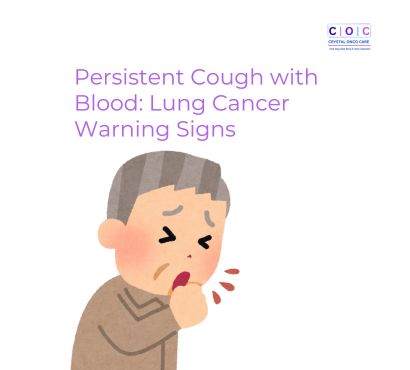
Persistent Cough with Blood: Lung Cancer Warning Signs

A cough that refuses to go away is worrying enough. But the moment blood appears in the sputum, the fear becomes very real. Many people first hope it is a one-time irritation from throat infection or forceful coughing. Others blame pollution, smoking, or weather change. Some wait to see if it settles. But coughing up blood is never something that should be brushed aside, especially when it comes with a persistent cough. For many patients in India, this symptom creates confusion because cough is so common. Dust, air pollution, smoking, tuberculosis, infections, and seasonal illness are all part of the real-world picture. That is exactly why blood in cough needs proper medical attention. It may be caused by something treatable and non-cancerous, but it can also be an early warning sign of lung cancer or another serious lung condition. One of the biggest mistakes people make is waiting until the amount of blood becomes large. In reality, even a small streak of blood in sputum matters when it is unexplained, recurrent, or linked with a cough that has been going on for weeks. The body rarely gives dramatic warnings in the beginning. Sometimes it starts with just one symptom that feels easy to dismiss. This blog explains what a persistent cough with blood may mean, when it becomes especially concerning for lung cancer, what other symptoms may appear alongside it, and when urgent medical evaluation is necessary. The goal is not to create panic, but to help people respond early and wisely instead of waiting too long. What does “coughing up blood” actually mean? Coughing up blood is commonly referred to as blood in sputum or blood mixed with mucus that comes out while coughing. It may appear in different ways: Bright red streaks in sputum Rust-coloured mucus Pink or frothy phlegm Small clots mixed with cough secretions Fresh blood after repeated coughing Sometimes the amount is very small and only seen while spitting. At other times, it may be more obvious. Either way, blood coming from the respiratory tract deserves proper attention. It is also important to distinguish blood from the lungs or airways from blood that comes from the nose, gums, or stomach. Patients often cannot tell the difference on their own, which is another reason medical assessment matters. Why blood in cough should never be ignored Blood is not a routine part of coughing. Even if it is small in quantity, it may signal irritation, infection, damaged blood vessels, chronic lung disease, or a more serious condition such as a tumour in the airways or lungs. When a person also has a persistent cough, the concern increases. A cough that lingers for weeks or keeps worsening already needs evaluation. Add blood to that picture, and the need for assessment becomes even stronger. People often tell themselves: “Maybe I coughed too hard” “Maybe it is because of smoking” “Maybe it is a throat cut” “Maybe it is just TB or bronchitis” The problem is that none of these assumptions are a safe substitute for a real diagnosis. Lung cancer is not the only possible cause, but it is one of the causes that must not be missed. Can coughing up blood be a sign of lung cancer? Yes, it can. A persistent cough with blood may be one of the warning signs of lung cancer. This may happen because a growth in the lungs or airways irritates tissue, causes bleeding, or affects nearby blood vessels. However, it is important to say this clearly: not everyone who coughs up blood has lung cancer. There are many other causes. But because lung cancer is one of the possibilities, especially in adults with risk factors or associated symptoms, the sign must be taken seriously. The biggest danger is not the symptom itself. The biggest danger is delay. Other causes of cough with blood Many conditions can cause blood in sputum. Some are less serious than cancer, but still important. These may include: Tuberculosis Bronchitis Pneumonia Bronchiectasis Severe airway irritation Lung infections Pulmonary embolism Chronic smoking-related lung disease Certain heart-related problems This is especially relevant in India, where tuberculosis remains common and may also present with cough, blood in sputum, weakness, fever, and weight loss. That overlap can create confusion. But confusion is exactly why the symptom should lead to evaluation, not assumption. When a persistent cough becomes a red flag Not every cough points toward cancer. But the pattern of the cough matters. A cough should raise concern when it: Lasts more than a few weeks Keeps worsening Changes in a smoker or former smoker Comes with blood-stained sputum Is associated with chest pain Causes breathlessness Is linked with unexplained weight loss Comes with repeated chest infections Changes the person’s voice A cough that does not behave like a simple infection deserves more attention, especially in older adults and smokers. Warning signs that may appear alongside blood in cough Lung cancer and other serious lung diseases often do not show up through just one symptom. A person may also notice: 1. Chest pain This may feel dull, tight, sharp, or worse while coughing or breathing deeply. Persistent chest discomfort should not be ignored. 2. Shortness of breath If climbing stairs suddenly feels harder or breathing becomes more effortful than usual, it matters. 3. Hoarseness of voice A lingering change in the voice may sometimes accompany deeper chest or airway problems. 4. Weight loss without trying This is one of the classic warning signs people often notice late. 5. Loss of appetite When appetite drops along with fatigue and cough, the picture becomes more concerning. 6. Recurrent chest infections Repeated episodes of infection, especially in the same area of the lung, deserve proper investigation. 7. Fatigue and weakness A person may feel generally drained, low in energy, or unable to maintain normal routine. When blood in cough appears with even some of these symptoms, medical consultation should not be delayed. Who is at higher risk of lung cancer-related cough with blood?

breast-lumps
Uncategorized

7 Breast Lumps That Aren’t Cancer: Signs You Shouldn’t Ignore

Finding a breast lump can be one of the most frightening moments in a woman’s life. The mind jumps straight to cancer. Sleep gets disturbed. Every internet search adds more fear. Many women keep checking the same area repeatedly, hoping the lump will disappear by morning. Others do the opposite — they avoid checking again because they are scared of what they might find. The truth is important and reassuring: not every breast lump is cancer. In fact, many breast lumps are non-cancerous and may happen due to hormonal changes, cysts, infections, scar tissue, or benign growths. But here is the part that matters just as much — a lump should still never be ignored simply because many lumps are harmless. The body does not expect women to diagnose themselves. It expects them to notice changes and get the right evaluation. For Indian women, breast symptoms are often delayed in reporting. Some women feel shy. Some assume pain means it is “just hormonal.” Some think a lump in younger age cannot be serious. Others try home remedies first and wait for months. This delay is one of the biggest problems in breast health awareness. A lump does not need to cause panic, but it does deserve attention. This blog explains 7 breast lumps that are often not cancer, what they may feel like, why they happen, and which warning signs should not be brushed aside. The goal is to reduce unnecessary fear while also encouraging timely medical consultation. Reassurance is important, but so is responsibility. Why not every breast lump means cancer Breast tissue changes across age, hormones, menstrual cycles, pregnancy, breastfeeding, and menopause. Because the breast is hormonally responsive, it can feel lumpy, tender, swollen, or different at different times of life. Many non-cancerous conditions can create a lump-like feeling or an actual lump. Some lumps are fluid-filled. Some are solid but benign. Some are linked to infection. Some happen after injury or breastfeeding. Some come and go with the period cycle. This is why the presence of a lump alone does not automatically mean cancer. At the same time, no woman can reliably identify every breast lump correctly just by touching it. Even if a lump feels smooth or painless, it should still be assessed, especially if it is new, growing, or associated with other changes. What should women notice about a breast lump? Before discussing the types, it helps to know what doctors usually want to understand. Women can ask themselves: Is the lump painful or painless? Is it soft, firm, movable, or fixed? Did it appear suddenly or slowly? Does it change with periods? Is there redness, warmth, or discharge? Is the skin over it normal or changed? Is there swelling in the armpit too? These observations do not replace diagnosis, but they help make the clinical picture clearer. 1. Fibroadenoma Fibroadenoma is one of the most common non-cancerous breast lumps, especially in younger women. It usually feels like a smooth, rubbery, well-defined lump that moves slightly under the fingers. Many women describe it as a “marble-like” lump. These lumps are often seen in younger age groups and may be linked to hormone sensitivity. They are usually painless, though some women become more aware of them before periods. Because they feel distinct and can move, many women discover them by chance while bathing or dressing. Even though fibroadenoma is typically benign, it should still be checked properly. A young woman should never assume that age alone makes all breast lumps harmless. 2. Breast cyst A breast cyst is a fluid-filled sac inside the breast. It may feel soft or firm depending on its size and depth. Some cysts feel round and smooth, while others are harder to describe by touch. They may appear suddenly and can sometimes become tender, especially before periods. This is one reason some women notice that their lump feels more obvious during certain times of the month. Hormonal shifts can make cyst-related discomfort more noticeable. Cysts are common and often non-cancerous, but a new breast lump that feels like a cyst still needs proper evaluation instead of guesswork. 3. Fibrocystic breast changes Some women do not have one clear round lump but rather an overall lumpy, ropey, or thickened feeling in the breast tissue. This may be part of fibrocystic breast changes, a common benign breast condition. Women often notice: Breast heaviness before periods General lumpiness Tender areas Changes that improve after menstruation This can feel very confusing because the breasts may seem uneven, nodular, or fuller at certain times in the cycle. Many women live with this for years and assume they just have “naturally lumpy breasts.” Even if the condition is benign, any new dominant lump, one-sided change, or area that feels different from the usual pattern still deserves attention. 4. Breast abscess or infection-related lump Not all breast lumps are growths. Some are caused by infection. This is especially relevant in breastfeeding women, but infections can also happen outside breastfeeding. A breast abscess or infected area may cause: A painful lump Redness Warmth Swelling Fever Skin tenderness This type of lump usually feels very different from a silent benign lump because it often hurts and may come with visible inflammation. Many women try warm compresses at home for too long, thinking it will settle by itself. But infections need timely treatment to avoid worsening. 5. Fat necrosis Fat necrosis sounds alarming, but it simply refers to breast tissue changes that can happen after injury, surgery, or trauma. Even a bump to the breast that a woman barely remembers may later result in a firm area or lump. This kind of lump may feel irregular or concerning, which is why it can mimic more serious conditions clinically. Women are often surprised when a past minor injury is linked to a present lump. Because fat necrosis can resemble other breast changes, it should always be medically evaluated rather than self-labelled. 6. Galactocele A galactocele is a milk-filled cyst that usually

Chemo-Brain
Uncategorized

Chemo Brain Is Real. Here’s How to Conquer the Fog

Chemo brain refers to memory problems, difficulty concentrating, mental fog, and slower thinking experienced during or after chemotherapy. Although temporary for most patients, these cognitive changes can affect daily activities. With lifestyle strategies, brain exercises, nutrition, and sleep improvement, recovery is possible and manageable. What Is Chemo Brain? Many cancer survivors report changes in thinking ability during or after treatment. These symptoms are commonly known as chemo brain, though the medical term is cancer-related cognitive impairment. It can affect: Memory Concentration Attention span Word recall Multitasking ability Processing speed These changes are real and medically recognized, not psychological imagination. Why Chemo Brain Happens Chemotherapy affects rapidly dividing cancer cells, but it can also temporarily influence healthy brain cells and nerve communication pathways. Factors contributing to chemo brain include: Chemotherapy medications Radiation therapy Hormonal therapy Fatigue Sleep disturbance Emotional stress Anxiety and depression Nutritional deficiencies Immune response changes Often, multiple factors work together. Common Symptoms of Chemo Brain Symptoms vary from mild to moderate and differ between individuals. Most commonly reported symptoms include: Memory Problems Patients may notice: Forgetting appointments Misplacing items Difficulty recalling conversations Trouble remembering names Short-term memory is affected more frequently than long-term memory. Difficulty Concentrating Patients often experience: Trouble focusing during reading Losing track during conversations Reduced attention span Increased distraction These issues can affect work performance and daily responsibilities. Slower Thinking Speed Mental processing may feel slower than usual. Patients sometimes report: Taking longer to complete tasks Difficulty making decisions Trouble following instructions This improves gradually over time. Word-Finding Difficulty Patients may struggle to recall familiar words during conversations. This temporary issue can feel frustrating but is common and reversible. How Long Does Chemo Brain Last? Duration varies depending on treatment type and individual recovery speed. Possible timelines include: During chemotherapy treatment Several months after treatment Occasionally up to one year or longer Most patients notice gradual improvement over time. Who Is More Likely to Experience Chemo Brain? Risk may increase in people who: Receive high-dose chemotherapy Undergo radiation to the brain Experience sleep disturbances Have hormonal therapy Experience anxiety or depression Are older adults Have nutritional deficiencies Early awareness helps manage symptoms effectively. Emotional Impact of Chemo Brain Cognitive changes can affect confidence and independence. Patients may feel: Frustrated Anxious Less productive Socially withdrawn Worried about long-term recovery Recognizing chemo brain as temporary helps reduce emotional stress. Practical Strategies to Improve Memory After Chemotherapy Simple daily habits can significantly improve cognitive recovery. Helpful steps include: Use Reminder Tools Examples include: Mobile reminders Sticky notes Digital calendars Voice recordings These tools support daily organization. Follow One Task at a Time Multitasking increases mental fatigue during recovery. Instead: Focus on single tasks Complete tasks step by step Avoid distractions This improves efficiency and confidence. Maintain a Daily Routine Consistent routines help the brain rebuild memory patterns. Try: Fixed sleep schedules Regular meals Structured work hours Planned relaxation time Routine improves mental clarity. Brain Exercises That Support Cognitive Recovery Mental stimulation strengthens neural connections. Helpful activities include: Reading books Crossword puzzles Sudoku Learning new skills Language practice Memory games Regular brain activity supports neuroplasticity. Role of Physical Exercise in Recovery 🏃‍♂️ Exercise improves brain circulation and supports nerve repair. Benefits include: Improved oxygen supply to the brain Reduced inflammation Better mood regulation Improved sleep quality Even walking 30 minutes daily improves mental clarity. Nutrition That Supports Brain Healing 🥗 Brain recovery requires proper nutrition. Helpful nutrients include: Omega-3 Fatty Acids Sources include: Walnuts Flaxseeds Fish Chia seeds These support nerve repair. Antioxidants Antioxidants protect brain cells from damage. Sources include: Berries Spinach Tomatoes Citrus fruits They reduce oxidative stress. Vitamin B Complex B vitamins support nerve communication. Deficiency may worsen memory problems. Common sources include: Whole grains Dairy products Eggs Bananas Balanced nutrition improves recovery speed. Importance of Sleep in Cognitive Healing Sleep allows brain cells to repair and reorganize memory circuits. Poor sleep worsens: Memory lapses Attention problems Mood imbalance Helpful sleep habits include: Fixed sleep schedule Limiting screen time before bed Avoiding caffeine late evening Relaxation before bedtime Good sleep accelerates improvement. Stress Management Improves Brain Function 🧘‍♀️ Stress hormones interfere with memory processing. Helpful stress-control strategies include: Meditation Deep breathing exercises Yoga Light physical activity Spending time outdoors Relaxation improves cognitive clarity. Role of Family Support in Recovery Supportive environments improve emotional resilience. Family members can help by: Encouraging patience Supporting routine planning Assisting reminders Reducing workload pressure Social support speeds recovery. When to Consult a Doctor About Chemo Brain Medical evaluation is recommended if symptoms: Persist beyond one year Affect daily functioning severely Continue worsening Include confusion episodes Affect speech ability Oncologist Doctors may recommend cognitive therapy support if needed. Workplace Tips for Managing Chemo Brain Returning to work after chemotherapy can feel challenging. Helpful adjustments include: Flexible schedules Written instructions Task prioritization Break intervals between tasks Gradual transition supports confidence. Can Chemo Brain Be Prevented? Complete prevention may not always be possible, but early preparation helps reduce severity. Preventive steps include: Staying physically active Maintaining nutrition Managing sleep Reducing stress levels Staying mentally engaged during treatment Preparation supports smoother recovery. Long-Term Outlook for Chemo Brain Recovery Most patients recover gradually within months after treatment completion. Brain adaptability allows: Formation of new neural connections Memory improvement Better attention span Restored thinking speed Recovery continues with consistent lifestyle support. Chemo brain is a real and recognized side effect of cancer treatment that can temporarily affect memory, attention, and thinking ability. With structured routines, balanced nutrition, physical activity, brain exercises, and emotional support, most individuals experience steady improvement and regain cognitive confidence over time. Understanding the condition helps patients stay positive and proactive during recovery. FAQ Is chemo brain permanent? For most patients, chemo brain is temporary and improves gradually within months after treatment completion. Can exercise improve chemo brain symptoms? Yes. Physical activity improves brain circulation, mood stability, and cognitive recovery speed. Which foods help recover brain function after chemotherapy? Foods rich in omega-3 fatty acids, antioxidants, and B vitamins support nerve repair and

Reduce-Your-Cancer-Risk
Uncategorized

7 Lifestyle Changes to Drastically Reduce Your Cancer Risk

You can significantly reduce cancer risk naturally by adopting healthy lifestyle habits such as maintaining a balanced diet, staying physically active, avoiding tobacco, limiting alcohol, managing stress, protecting against infections, and undergoing regular health screenings. These preventive steps lower long-term cancer risk and support overall wellness. Why Cancer Prevention Starts With Lifestyle Choices Cancer is one of the leading health concerns globally and increasingly across India. While genetics plays a role in some cases, research consistently shows that lifestyle habits influence a large percentage of cancer risk. Preventive healthcare is powerful because it: Reduces exposure to harmful triggers Strengthens immunity Supports organ health Detects cancer early Improves long-term survival outcomes Small daily decisions can create strong protection against future disease. Understanding Cancer Risk Factors Cancer develops when abnormal cells grow uncontrollably. Several environmental and lifestyle triggers increase the likelihood of this process. Common risk factors include: Tobacco use Obesity Sedentary lifestyle Alcohol consumption Poor diet Chronic stress Hormonal imbalance Infections Pollution exposure Fortunately, many of these risks are preventable. 1. Stop Tobacco Use Completely 🚭 Tobacco is the single largest preventable cause of cancer worldwide. It increases the risk of: Lung cancer Oral cancer Throat cancer Bladder cancer Pancreatic cancer In India, smokeless tobacco products like gutka and paan masala also significantly increase cancer risk. Benefits of quitting tobacco begin within weeks and continue improving long-term health for years. 2. Maintain a Balanced Cancer-Protective Diet 🥗 Nutrition plays a major role in preventing cancer. Protective foods include: Seasonal fruits Leafy green vegetables Whole grains Nuts and seeds Legumes Fiber-rich foods These foods contain antioxidants that help neutralize harmful molecules responsible for cellular damage. Reducing processed foods helps lower inflammation inside the body. Foods That Increase Cancer Risk Certain dietary habits increase long-term risk. Limit intake of: Processed meats Excess sugar Deep-fried foods Refined carbohydrates Excess salt-preserved foods Balanced nutrition supports immune defense against abnormal cell growth. 3. Stay Physically Active Every Day 🏃‍♂️ Regular exercise protects against multiple cancers. It reduces the risk of: Breast cancer Colon cancer Endometrial cancer Exercise helps by: Improving metabolism Maintaining healthy body weight Regulating hormones Supporting immune function Experts recommend at least 30 minutes of moderate physical activity daily. 4. Maintain a Healthy Body Weight ⚖️ Obesity is linked to several cancer types. Excess body fat contributes to: Hormonal imbalance Chronic inflammation Insulin resistance Immune dysfunction These conditions increase cancer risk over time. Maintaining a healthy weight supports organ function and reduces long-term disease risk. 5. Limit Alcohol Consumption 🍷 Alcohol increases the risk of multiple cancers even in moderate quantities. These include: Liver cancer Breast cancer Colorectal cancer Reducing alcohol intake protects liver health and supports hormonal balance. 6. Protect Yourself From Cancer-Causing Infections 💉 Certain infections increase cancer risk if left untreated. Important examples include: Human papillomavirus infection Hepatitis B Hepatitis C Preventive steps include: Vaccination Safe hygiene practices Safe sexual health awareness Early screening when necessary These measures significantly reduce infection-related cancer risk. 7. Schedule Regular Cancer Screenings 🧪 Early detection saves lives. Routine screenings help identify abnormalities before symptoms appear. Important screenings include: Breast screening Cervical screening Colon screening Oral cancer screening Timely diagnosis improves cancer treatment success rates significantly. Role of Stress Management in Cancer Prevention Chronic stress affects immunity and hormonal balance. Long-term stress may contribute to: Sleep disturbances Weight gain Digestive problems Reduced immune defense Helpful stress-management techniques include: Meditation Yoga Deep breathing exercises Nature exposure Adequate sleep routines Balanced mental health supports disease prevention. Importance of Sleep for Cancer Prevention Poor sleep disrupts hormone regulation and immune repair mechanisms. Healthy sleep supports: Cellular recovery Hormonal balance Brain detoxification Immune system strength Adults should aim for 7–8 hours of quality sleep daily. Environmental Exposure Awareness Urban pollution and occupational exposure increase cancer risk gradually. Protective steps include: Wearing masks in polluted areas Avoiding unnecessary chemical exposure Choosing safer household products Maintaining indoor ventilation Environmental awareness supports long-term protection. Benefits of Preventive Healthcare Check-Ups Routine health check-ups detect early warning signs before symptoms develop. Preventive testing helps identify: Hormonal imbalance Liver abnormalities Blood disorders Early tumor markers Metabolic conditions Regular monitoring supports early intervention. Importance of Awareness in Indian Population In India, delayed diagnosis is one of the biggest challenges in cancer treatment outcomes. Reasons include: Lack of screening awareness Social stigma Ignoring early symptoms Limited preventive visits Promoting preventive habits improves survival rates significantly. Warning Signs That Should Never Be Ignored Consult a Oncologist doctor if you notice: Unexplained weight loss Persistent cough Blood in stool or urine Lump anywhere in the body Non-healing ulcers Difficulty swallowing Early consultation improves treatment outcomes dramatically. Building a Cancer-Preventive Lifestyle for Families Cancer prevention begins at home. Families can support prevention by: Encouraging healthy meals Staying physically active together Avoiding tobacco exposure Promoting vaccinations Scheduling routine health check-ups Family awareness strengthens community health protection. Reducing cancer risk naturally is possible through consistent lifestyle choices. Avoiding tobacco, eating a balanced diet, maintaining healthy weight, staying active, limiting alcohol, preventing infections, and undergoing routine screenings together create powerful long-term protection. Preventive healthcare empowers individuals and families to take control of their health before disease develops. FAQ Can cancer be prevented completely with lifestyle changes? Lifestyle improvements significantly reduce cancer risk, although they cannot eliminate risk entirely. Preventive habits remain the strongest protection available. At what age should cancer screening begin? Screening recommendations vary by cancer type, but many preventive tests begin between ages 30 and 45 depending on individual risk factors. Does exercise really reduce cancer risk? Yes. Regular physical activity improves immunity, regulates hormones, reduces inflammation, and lowers the risk of several cancers.

Cancer-Health
Uncategorized

Managing the Fear of Recurrence After Beating Cancer

Completing cancer treatment is often described as a major victory. After months or even years of medical care, surgery, chemotherapy, radiation, or other therapies, reaching remission can feel like crossing a finish line. Families celebrate, patients feel relieved, and life slowly begins to return to normal. However, for many cancer survivors, the emotional journey does not end when treatment finishes. One of the most common and deeply personal challenges survivors face is the fear of cancer recurrence—the worry that the cancer might come back. This fear can appear at unexpected times. A routine medical check-up, a new physical symptom, or even hearing about someone else’s diagnosis may trigger anxiety. While some level of concern is natural, persistent fear can affect emotional well-being, relationships, and overall quality of life. Learning how to manage the fear of recurrence is an important part of long-term recovery. With the right strategies, support systems, and lifestyle habits, cancer survivors can rebuild confidence, regain a sense of control, and focus on living a fulfilling life beyond cancer. This article explores why fear of recurrence happens, how it affects survivors, and practical ways to manage it while maintaining emotional and physical health. Understanding the Fear of Cancer Recurrence Fear of recurrence refers to the worry that cancer may return after successful treatment. It is one of the most common emotional challenges reported by cancer survivors. Even when doctors confirm that the cancer has been successfully treated, many survivors continue to feel uncertain about the future. This fear may include concerns such as: Worrying about new symptoms Anxiety before follow-up scans Fear of long-term health complications Concerns about family and responsibilities Feeling unsure about planning for the future These thoughts can occur occasionally or become persistent for some individuals. It is important to understand that these feelings are completely normal and experienced by many people who have undergone cancer treatment. Why Fear of Recurrence Happens Several factors contribute to the fear of cancer returning. The Trauma of Diagnosis and Treatment Receiving a cancer diagnosis can be emotionally overwhelming. The intense treatment journey may leave lasting psychological effects. Even after recovery, the memory of that experience may continue to influence emotions. Uncertainty About the Future Unlike many illnesses, cancer often requires long-term monitoring. Follow-up appointments, scans, and tests remind survivors that there is still some uncertainty. Physical Changes After Treatment Some survivors experience ongoing physical symptoms such as fatigue, pain, or hormonal changes after treatment. These symptoms may sometimes trigger worry about whether the cancer has returned. Increased Health Awareness After cancer treatment, individuals often become more attentive to their bodies. While awareness is beneficial, it can also lead to overanalyzing minor symptoms. How Fear of Recurrence Affects Daily Life For some survivors, fear of recurrence becomes a temporary emotional response that fades over time. However, for others, it can interfere with daily life. Common effects include: Anxiety Before Medical Appointments Many survivors experience heightened anxiety before follow-up tests or scans. This is sometimes referred to as scanxiety, a common emotional response among cancer survivors. Difficulty Making Long-Term Plans Some survivors hesitate to plan for the future due to lingering uncertainty. Sleep Disturbances Persistent worry may lead to insomnia or restless sleep. Impact on Relationships Fear and anxiety may affect communication with family members or loved ones. Reduced Enjoyment of Life Constant worry about recurrence may make it difficult to fully appreciate recovery and life after treatment. Recognizing these emotional challenges is the first step toward managing them effectively. Recognizing Healthy Concern vs. Excessive Fear A certain level of concern about health is normal and can even encourage positive lifestyle choices. However, fear becomes problematic when it: Occurs frequently Interferes with daily functioning Causes persistent anxiety Prevents individuals from enjoying life If fear becomes overwhelming, it may be helpful to seek Oncologist support. Strategies to Manage the Fear of Cancer Recurrence Managing fear is not about eliminating all worry but learning how to respond to it in a healthy and constructive way. Several strategies can help cancer survivors regain emotional balance. Stay Consistent With Follow-Up Care Regular follow-up appointments play a crucial role in monitoring health after cancer treatment. These visits allow doctors to: Detect any potential issues early Monitor recovery progress Address new symptoms Provide reassurance Knowing that health is being regularly monitored can help reduce anxiety. Focus on What You Can Control Many survivors struggle with uncertainty. Shifting focus to areas within personal control can help create a sense of empowerment. These include: Maintaining a healthy diet Staying physically active Managing stress Attending medical check-ups Prioritizing sleep Healthy habits support overall wellness and improve emotional resilience. Practice Mindfulness and Stress Reduction Mindfulness techniques can help individuals stay present instead of worrying about future uncertainties. Effective practices include: Meditation Deep breathing exercises Yoga Journaling Guided relaxation These techniques help calm the mind and reduce anxiety. Seek Emotional Support Talking about fears can help reduce their intensity. Support may come from: Family members Friends Cancer survivor support groups Mental health professionals Sharing experiences with others who understand the journey can provide comfort and reassurance. Educate Yourself Without Overloading Information Understanding the signs of recurrence and learning about recovery can empower survivors. However, excessive searching for medical information online may increase anxiety. Maintaining a balanced approach to health information is important. Celebrate Milestones and Progress Cancer recovery is a journey that deserves recognition. Celebrating milestones such as treatment completion anniversaries or health improvements can help shift focus from fear to achievement. These moments reinforce strength and resilience. Adopt a Healthy Lifestyle After Cancer Treatment Lifestyle choices can support long-term health and reduce the risk of various diseases. Key aspects include: Balanced Nutrition A nutritious diet rich in vegetables, fruits, whole grains, and lean proteins supports immune function and overall health. Regular Physical Activity Exercise can improve energy levels, mood, and cardiovascular health. Even moderate activities such as walking or yoga can provide benefits. Quality Sleep Adequate sleep is essential for physical recovery and emotional stability. Avoiding Harmful Habits Limiting

immunotherapy
Uncategorized

Demystifying Immunotherapy: How Your Own Body Can Fight Cancer

Cancer treatment has advanced significantly over the past few decades. While surgery, chemotherapy, and radiation therapy have long been the backbone of cancer treatment, modern medicine has introduced an innovative approach that harnesses the power of the body’s own defense system: immunotherapy. Unlike traditional treatments that directly attack cancer cells, immunotherapy works by strengthening or reprogramming the immune system to recognize and destroy cancer cells. This breakthrough approach has transformed the treatment landscape for several types of cancer and has given hope to many patients worldwide. Despite its growing popularity, many people still do not fully understand how immunotherapy works, who can benefit from it, and what to expect during treatment. This guide aims to simplify the science behind immunotherapy and explain how the body’s natural immune system can become a powerful ally in the fight against cancer. Understanding the Immune System To understand immunotherapy, it is important to first understand how the immune system works. The immune system is a complex network of: White blood cells Lymph nodes Bone marrow The spleen Various signaling proteins Its primary function is to detect and eliminate foreign invaders such as bacteria, viruses, and abnormal cells. Normally, the immune system can recognize and destroy cells that behave abnormally, including early cancer cells. However, cancer cells are clever. They develop mechanisms that allow them to hide from immune cells or suppress immune responses. When this happens, tumors grow without being detected or attacked effectively by the body. Immunotherapy works by removing these protective shields and enabling immune cells to identify and attack cancer cells. What Is Immunotherapy? Immunotherapy is a form of cancer treatment that stimulates or enhances the body’s immune system to fight cancer. Instead of targeting the tumor directly, immunotherapy strengthens the immune response so that the body can recognize cancer cells as threats and destroy them. This approach can: Improve immune system recognition of cancer cells Boost immune cell activity Remove barriers that prevent immune cells from attacking tumors Because it works differently from chemotherapy or radiation, immunotherapy may be used alone or combined with other treatments. Types of Immunotherapy Used in Cancer Treatment Immunotherapy is not a single treatment. It includes several different strategies that enhance immune function. 1. Immune Checkpoint Inhibitors Cancer cells often use certain proteins called checkpoints to switch off immune cells. Checkpoint inhibitor drugs block these signals, allowing immune cells to stay active and attack cancer cells effectively. These therapies have shown significant success in treating cancers such as: Lung cancer Melanoma Kidney cancer Bladder cancer By removing the “brakes” on the immune system, checkpoint inhibitors allow immune cells to work more efficiently. 2. CAR T-Cell Therapy This is a highly advanced form of immunotherapy used mainly for certain blood cancers. In this approach: A patient’s T-cells are collected from the blood. These cells are genetically modified in a laboratory. The modified cells are trained to recognize cancer cells. The enhanced cells are returned to the patient’s body. These engineered cells can then locate and destroy cancer cells more effectively. CAR T-cell therapy has shown remarkable results in some leukemia and lymphoma patients. 3. Cancer Vaccines Cancer vaccines are designed to stimulate the immune system to attack cancer cells. Unlike vaccines that prevent infections, cancer vaccines work by helping the immune system recognize specific proteins found on cancer cells. They can either: Prevent certain cancers caused by viruses Help treat existing cancers by boosting immune response 4. Monoclonal Antibodies Monoclonal antibodies are laboratory-made proteins that mimic the immune system’s ability to fight harmful cells. These antibodies attach to specific targets on cancer cells and may: Block signals that allow cancer cells to grow Mark cancer cells so immune cells can destroy them Deliver drugs directly to tumor cells 5. Cytokine Therapy Cytokines are proteins that help immune cells communicate. Certain cytokine treatments boost immune system activity, helping the body mount a stronger response against cancer cells. Which Cancers Can Be Treated with Immunotherapy? Immunotherapy has been successfully used for several cancers, including: Melanoma Lung cancer Kidney cancer Bladder cancer Head and neck cancers Certain lymphomas and leukemias Research continues to expand its use in other cancer types. However, not every cancer responds to immunotherapy, and patient selection is very important. Who Is a Good Candidate for Immunotherapy? Doctors evaluate several factors before recommending immunotherapy. These include: Type of Cancer Some cancers respond better to immunotherapy than others. Stage of Disease Advanced cancers are more likely to require immunotherapy, although it may also be used earlier in treatment. Genetic Markers Certain biomarkers in tumors can predict whether immunotherapy will be effective. Overall Health The patient’s immune system must be strong enough to respond to treatment. Benefits of Immunotherapy Immunotherapy has introduced several advantages compared to traditional treatments. 1. Targeted Treatment It focuses on cancer cells without damaging as many healthy cells. 2. Long-Term Protection The immune system may “remember” cancer cells, reducing recurrence risk. 3. Improved Outcomes Some patients experience long-lasting remission. 4. Combination Possibilities Immunotherapy can work alongside surgery, chemotherapy, or radiation therapy. Potential Side Effects Because immunotherapy activates the immune system, side effects may occur when immune cells attack healthy tissues. Common side effects include: Fatigue Skin rash Fever Nausea Joint pain In some cases, immune reactions can affect organs such as: Lungs Liver Intestines Hormone-producing glands Most side effects can be managed if detected early. Immunotherapy vs Chemotherapy Although both are used to treat cancer, they work very differently. Chemotherapy: Directly kills rapidly dividing cells Often affects healthy cells Can cause hair loss and severe nausea Immunotherapy: Activates immune cells Targets cancer more selectively May produce longer-lasting effects However, immunotherapy may take longer to show results compared to chemotherapy. Challenges and Limitations Despite its success, immunotherapy is not suitable for every patient. Some challenges include: Variable Response Not all patients respond to treatment. Delayed Results The immune system may take time to react. Cost and Accessibility Advanced treatments can be expensive. Immune-Related Side Effects Strong immune activation may affect healthy organs. Research is

Ovarian-Cancer
Uncategorized

Ovarian Cancer: 5 Myths Busted by an Oncologist

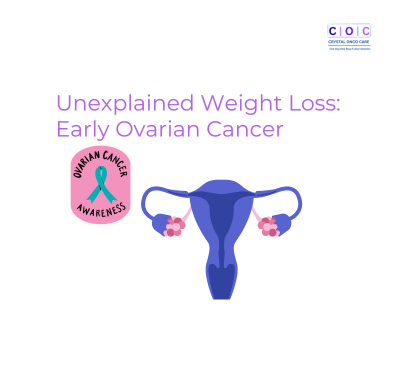
Ovarian cancer is often called a “silent disease,” but the silence around it is not just medical—it’s also filled with misconceptions, myths, and misinformation. Many women delay seeking help because they: Assume symptoms are normal Believe they are not at risk Think it only affects older women These myths can lead to late diagnosis, making treatment more complex. In reality, awareness and early detection can make a life-saving difference. In this blog, we break down 5 common myths about ovarian cancer and uncover the truth every woman should know. Understanding Ovarian Cancer Ovarian cancer begins in the ovaries—organs responsible for producing eggs and hormones. It can develop silently, and symptoms are often: Mild Vague Easily mistaken for common digestive issues That’s why awareness is critical. Myth 1: Ovarian Cancer Always Shows Clear Symptoms The Myth “If I had ovarian cancer, I would definitely notice clear symptoms.” The Reality Ovarian cancer often presents subtle and non-specific symptoms, especially in early stages. Common Symptoms Include: Bloating or abdominal swelling Feeling full quickly Pelvic or abdominal pain Frequent urination Changes in bowel habits These symptoms are often mistaken for: Gas Indigestion Hormonal changes Why This Myth Is Dangerous Because symptoms are mild, many women: Ignore them Self-medicate Delay medical consultation  This leads to diagnosis at later stages. What You Should Do If symptoms: Persist for more than 2–3 weeks Occur frequently Feel unusual for your body  Seek medical advice early. Myth 2: Only Older Women Get Ovarian Cancer The Myth “Ovarian cancer is a disease of older women.” The Reality While the risk increases with age, ovarian cancer can affect: Younger women Women in their 30s and 40s Even teenagers (rare cases) Risk Factors Include: Family history Genetic predisposition Hormonal factors Lifestyle influences Why This Myth Is Misleading Younger women may: Ignore symptoms Assume they are “too young” Delay check-ups What You Should Do No matter your age: Pay attention to symptoms Don’t ignore persistent discomfort Consider regular health check-ups Myth 3: Pap Smear Can Detect Ovarian Cancer The Myth “My routine Pap test will detect ovarian cancer.” The Reality A Pap smear is designed to detect: Cervical cancer Abnormal cervical cells  It does NOT detect ovarian cancer. Why This Matters Many women feel falsely reassured after a normal Pap test. This leads to: Missed early warning signs Delay in diagnosis What You Should Know There is no single routine screening test for ovarian cancer in all women. Doctors may recommend: Ultrasound Blood tests (in specific cases) Takeaway Regular check-ups are important, but understanding their purpose is equally important. Myth 4: Ovarian Cancer Means No Hope The Myth “Ovarian cancer is always fatal.” The Reality Early detection significantly improves outcomes. When detected early: Treatment is more effective Survival rates are higher Quality of life improves Advancements in Treatment Modern medicine offers: Better surgical techniques Targeted therapies Improved chemotherapy protocols Why This Myth Is Harmful Fear can: Prevent early diagnosis Discourage treatment Affect mental health What You Should Remember  Ovarian cancer is treatable, especially when detected early. Myth 5: No Family History Means No Risk The Myth “No one in my family has cancer, so I’m safe.” The Reality Many women diagnosed with ovarian cancer: Have no family history Have no known genetic risk Other Risk Factors Include: Age Hormonal imbalances Obesity Lifestyle factors Why This Myth Is Dangerous It creates a false sense of security. Women may: Skip check-ups Ignore symptoms What You Should Do Even without family history: Stay aware Monitor your health Seek Oncologist advice when needed Early Detection: Why It Matters Ovarian cancer is often diagnosed late because symptoms are subtle. Early Detection Can: Reduce complications Improve treatment success Increase survival rates Signs You Should Never Ignore Pay attention to: Persistent bloating Pelvic pain Unexplained weight loss Loss of appetite Frequent urination  If these symptoms are new, persistent, and unusual, don’t ignore them. Lifestyle Tips to Reduce Risk While not all cases are preventable, certain habits can help: ✔ Maintain a Healthy Weight ✔ Eat a Balanced Diet ✔ Stay Physically Active ✔ Avoid Smoking ✔ Manage Hormonal Health Emotional Impact of Ovarian Cancer Beyond physical symptoms, ovarian cancer affects: Mental health Confidence Emotional stability Women may experience: Anxiety Fear Uncertainty  Emotional support and awareness play a crucial role in recovery. Importance of Regular Health Check-Ups Routine check-ups help: Identify unusual changes Detect issues early Provide peace of mind Even if you feel healthy, preventive care matters. Breaking the Silence Around Women’s Health Many women hesitate to talk about: Reproductive health Pelvic discomfort Menstrual changes This silence can delay diagnosis.  Open conversations can save lives. When to See a Doctor Consult a healthcare professional if you experience: Symptoms lasting more than 2–3 weeks Increasing discomfort Changes in appetite or digestion Unusual fatigue Early action is always better. Conclusion Ovarian cancer is surrounded by myths that can delay awareness and treatment. By understanding the truth, women can take charge of their health with confidence. Let’s remember: Not all symptoms are obvious Age doesn’t guarantee safety Awareness is the first step toward prevention  The more informed you are, the better equipped you are to protect your health. FAQs 1. What are the earliest signs of ovarian cancer? Early signs include bloating, pelvic pain, feeling full quickly, and frequent urination. These symptoms are often mild but persistent. 2. Can ovarian cancer be prevented completely? No, but maintaining a healthy lifestyle and regular check-ups can help reduce risk and support early detection. 3. How often should women get checked for ovarian cancer? There is no standard screening for all women, but regular gynecological check-ups and awareness of symptoms are essential.

early-detection-cancer
Uncategorized

Early Detection Saves Lives: A Guide to Cancer Screenings You Can’t Ignore

Cancer is no longer a rare disease—it touches nearly every family in some way. In India, the number of cancer cases is rising steadily due to changing lifestyles, environmental factors, longer life expectancy, and late diagnosis. One of the biggest reasons cancer-related deaths remain high is that many people discover the disease too late, when treatment becomes complex and outcomes are uncertain. This is where early detection becomes a game-changer. Detecting cancer at an early stage can significantly improve survival rates, reduce treatment intensity, lower healthcare costs, and most importantly, save lives. Cancer screenings are not about fear—they are about awareness, prevention, and control. This guide explains what cancer screenings are, why they are essential, who should undergo them, and which screenings you simply cannot afford to ignore. What Is Cancer Screening? Cancer screening refers to medical tests performed to detect cancer before symptoms appear. Many cancers grow silently in the body for years without causing noticeable signs. By the time symptoms appear, the disease may already be advanced. Screening tests aim to: Identify cancer at an early, treatable stage Detect precancerous changes before they turn malignant Reduce cancer-related deaths Enable less aggressive treatment options Screenings are not diagnostic by themselves, but they help identify people who may need further evaluation. Why Cancer Often Goes Undetected in Early Stages Many people assume that cancer will always cause pain or obvious symptoms. In reality, early-stage cancer is often silent. Some common reasons people delay screening include: Feeling healthy and symptom-free Fear of diagnosis Lack of awareness Busy lifestyles Social stigma Misconceptions about screening procedures Unfortunately, waiting for symptoms can mean missing the window where treatment is most effective. Who Should Consider Cancer Screening? Cancer screening is not limited to older adults or those with a family history. While risk factors vary, screening is recommended for: Adults above a certain age (depending on cancer type) People with a family history of cancer Smokers and tobacco users Individuals with obesity or sedentary lifestyles Those exposed to environmental or occupational risks Women with reproductive or hormonal risk factors Even people without known risk factors can benefit from age-appropriate screenings. Common Cancer Screenings You Shouldn’t Ignore 1. Breast Cancer Screening Breast cancer is one of the most common cancers affecting women in India. Early detection dramatically improves survival rates. Screening methods include: Self-breast examination Clinical breast examination Imaging-based screening Women should become familiar with the normal look and feel of their breasts and report any changes immediately. 2. Cervical Cancer Screening Cervical cancer is largely preventable with regular screening. It often develops slowly, allowing ample time for early detection and treatment. Why screening matters: Detects abnormal cervical cell changes early Prevents progression to cancer Reduces mortality significantly Regular screening has proven to be one of the most effective cancer prevention strategies for women. 3. Oral Cancer Screening India has one of the highest rates of oral cancer, largely due to tobacco use, smoking, and chewing products. Early signs may include: Non-healing mouth ulcers White or red patches Difficulty chewing or swallowing Oral cancer screening is simple, quick, and highly effective when done regularly. 4. Colorectal Cancer Screening Colorectal cancer often develops from benign growths that can turn cancerous over time. Screening helps by: Detecting early cancer Identifying precancerous growths Preventing cancer development People over a certain age or those with digestive symptoms should not delay screening. 5. Prostate Cancer Screening Prostate cancer is common among aging men and may grow silently for years. Screening benefits: Early detection before symptoms Better treatment outcomes Reduced complications Men should discuss screening options based on age and risk factors. 6. Lung Cancer Screening Lung cancer is a leading cause of cancer deaths, particularly among smokers and former smokers. Why screening matters: Early lung cancer often has no symptoms Late detection limits treatment options Early-stage detection improves survival High-risk individuals benefit the most from screening. The Psychological Benefit of Early Screening Apart from physical health benefits, cancer screening provides mental reassurance. Knowing your health status: Reduces anxiety Encourages healthier lifestyle choices Promotes proactive healthcare behavior Even when results are normal, screening empowers individuals with confidence and control over their health. Addressing Common Myths About Cancer Screening “I feel healthy, so I don’t need screening.” Many cancers show no symptoms in early stages. “Screening is painful or risky.” Most screenings are quick, safe, and minimally uncomfortable. “Cancer means death.” Early-stage cancer is often treatable and even curable. “Screening is only for older people.” Some cancers affect younger individuals as well. Breaking these myths is essential for improving participation in screening programs. How Often Should Cancer Screenings Be Done? Screening frequency depends on: Age Gender Family history Lifestyle factors Previous screening results A personalized screening plan ensures optimal protection without unnecessary testing. The Role of Lifestyle Alongside Screening While screenings detect cancer early, lifestyle choices help reduce risk: Avoid tobacco in all forms Limit alcohol intake Maintain a healthy weight Stay physically active Eat a balanced, nutrient-rich diet Manage stress and sleep well Screening and prevention work best together. Why Early Detection Truly Saves Lives When cancer is detected early: Treatment is simpler and more effective Survival rates are significantly higher Quality of life improves Financial burden reduces Early detection transforms cancer from a life-threatening disease into a manageable condition. Conclusion: Take Charge Before Symptoms Appear Cancer screening is not about expecting bad news—it’s about giving yourself the best possible chance. Ignoring screenings doesn’t prevent cancer; it only delays diagnosis. Being proactive today can protect your tomorrow. Early detection doesn’t just save lives—it preserves families, futures, and peace of mind. FAQ 1. Are cancer screenings necessary if I have no symptoms? Yes. Many cancers do not cause symptoms in early stages. Screening helps detect cancer before signs appear, improving treatment success. 2. At what age should cancer screening begin? The starting age depends on the type of cancer, personal risk factors, and family history. Some screenings begin earlier for high-risk individuals. 3. Can cancer be completely prevented with screening? Screening cannot

Uncategorized

Men Get Breast Cancer Too: What You Need to Know Now

Breast cancer is usually thought of as a women’s disease, but men have breast tissue too—and they can get breast cancer. Globally, male breast cancer accounts for about 1–2% of all breast cancer cases, and its incidence appears to be slowly rising. In India, hospital‑based series report male cases forming around 0.5–1% of all breast cancers, with many men presenting late because they never imagined a breast lump could be cancer.​ This blog explains how common male breast cancer is, who is at risk, what symptoms to watch for, how it is treated, and why early detection is just as critical for men as it is for women. Do Men Really Have Breast Tissue? Men have a small amount of breast tissue behind and around the nipple, made up of ducts, fat, and connective tissue.​ Under normal male hormone levels, this tissue stays tiny, but it can still undergo benign changes (like gynecomastia) and, less commonly, malignant changes leading to breast cancer. The most common male breast cancer type is invasive ductal carcinoma, similar to many female cases.​ How Common Is Male Breast Cancer? Worldwide and in India: Global data estimate male breast cancer forms around 1–2% of all breast cancer diagnoses, with a yearly incidence increase of roughly 1% reported in some analyses.​ Indian series from various centres report incidence ranges from about 0.4% to 4% of all breast cancers, with most clustering between 0.5–1%.​ Median age at diagnosis is typically around 60–70 years, though Indian reports often show slightly younger averages, in the late 50s to early 60s.​ Because it is rare, awareness is low; as a result, many men delay seeking care for months, leading to advanced‑stage diagnosis and poorer outcomes.​ Risk Factors for Male Breast Cancer Most cases occur sporadically, but several factors increase risk:​ Age Risk rises with age; most cases occur after 50–60 years. Family history and genetics Having close relatives (male or female) with breast cancer, ovarian cancer, or certain BRCA1/BRCA2 mutations raises male risk.​ Hormonal imbalances Conditions that increase estrogen or decrease androgens—such as obesity, chronic liver disease, testicular damage, Klinefelter syndrome—are associated with higher risk.​ Radiation exposure Prior chest radiation (for lymphoma or other cancers) can increase later breast cancer risk. Lifestyle and occupational factors Obesity, high ambient working temperatures, and some chemical exposures (e.g., exhaust fumes) have been reported as possible contributors.​ Not all men with these factors develop cancer; they simply represent higher‑than‑average risk. Symptoms Men Should Never Ignore Early signs of male breast cancer are often visible and palpable, but many men ignore them or assume they are due to fat or injury.​ Key warning signs: A painless lump or thickening beneath or near the nipple or in the central chest. Nipple changes: Retraction (nipple pulling inward). Redness, scaling, or ulceration. Discharge from the nipple, especially if bloody. Skin changes over the breast: Dimpling, puckering, or “orange peel” texture. Persistent redness or ulceration. Swollen lymph nodes in the armpit or near the collarbone. Gynecomastia (benign enlargement) usually feels like a rubbery, symmetrical thickening under both nipples; a hard, irregular, or unilateral lump should always prompt evaluation. Why Is Male Breast Cancer Often Diagnosed Late? Studies from India and abroad highlight persistent patterns:​ Lack of awareness: Many men and families don’t realise men can get breast cancer, so they overlook or misinterpret lumps. Stigma and embarrassment: Cultural beliefs may make men reluctant to report “breast” issues. Misdiagnosis or delay: Lumps are sometimes misattributed to gynecomastia or lipomas without proper imaging or biopsy. Reports from Indian centres show many men presenting with stage III or IV disease, larger tumours, and higher rates of lymph node involvement than typical female cohorts, contributing to lower survival rates.​ How Is Male Breast Cancer Diagnosed? Evaluation closely parallels that in women:​ Clinical examination – includes both breasts and lymph nodes. Imaging Mammography and ultrasound of the male breast can distinguish solid masses from benign conditions. Biopsy Core needle biopsy provides tissue for histology and receptor testing (ER, PR, HER2). Most male breast cancers are hormone receptor‑positive (ER/PR+), which has treatment and prognostic implications.​ Staging investigations (chest imaging, liver and bone scans or PET‑CT) help determine spread and plan therapy. Treatment Options for Male Breast Cancer Treatment is similar to that for female breast cancer, tailored to stage and biology:​ Surgery Most men undergo modified radical mastectomy (removal of breast tissue and usually axillary lymph nodes), because male breasts are small and conserving surgery offers limited cosmetic benefit.​ Sentinel lymph node biopsy may be used in selected early‑stage cases. Radiation therapy Applied post‑operatively when tumours are large, margins are close, or multiple lymph nodes are involved. Hormone (endocrine) therapy Because a high proportion of male tumours are ER/PR+, tamoxifen is commonly used to reduce recurrence risk.​ Aromatase inhibitors and other endocrine regimens may be considered depending on case specifics. Chemotherapy Recommended for higher‑stage disease, node positivity, high‑grade tumours, or specific molecular profiles. Targeted therapy HER2‑positive male breast cancers may receive anti‑HER2 agents (e.g., trastuzumab) as in women.​ In Indian series, overall 5‑year survival in male breast cancer has been reported around 56–60%, but survival is significantly higher in early stages and hormone receptor‑positive disease.​ Early Detection and What Men Can Do Men, especially those at higher risk, should: Know their chest: Periodically feel the area around nipples and upper chest for new lumps or changes. Act quickly on changes: Do not wait months hoping a lump will disappear—get it examined. Share family history: Inform doctors if there is a strong family history of breast, ovarian, or prostate cancer; genetic counselling may be suggested.​ Manage modifiable risks: Maintain healthy weight, limit alcohol, manage liver health, and treat hormonal conditions. For very high‑risk men (e.g., confirmed BRCA mutations), some guidelines consider periodic imaging or clinical breast exams, though population‑wide screening mammography is not routinely recommended for all men yet.​ FAQs 1) How can a man tell if a breast lump is cancer or just gynecomastia? Gynecomastia usually presents as smooth, rubbery, often tender enlargement directly beneath

Liposarcoma
Uncategorized

Understanding Liposarcoma: Symptoms, Treatment, and Survival Rates

Liposarcoma is a rare cancer that arises from fat cells in deep soft tissues, most often in the thigh, buttock, or inside the abdomen (retroperitoneum). It accounts for a significant proportion of soft‑tissue sarcomas but is still uncommon compared to more familiar cancers like breast or lung cancer. Many patients first notice a painless, slowly enlarging lump and don’t realise it could be malignant.​ This guide explains what liposarcoma is, how it presents, the main treatment options, and how survival rates differ by subtype and stage—so that patients and families know what questions to ask and what to expect.   What Is Liposarcoma? Liposarcoma is a malignant (cancerous) tumour of fat‑forming cells, distinct from common benign lipomas.​ It usually grows in deep soft tissues of the limbs or retroperitoneum rather than in the superficial fat under the skin. It often affects adults between 40 and 70 years, with a slight male predominance in some series.​ Liposarcoma is not one single disease; it includes several subtypes with different behaviours and prognoses.   Subtypes of Liposarcoma The main pathological subtypes are:​ Well‑differentiated liposarcoma (WDL) / atypical lipomatous tumour Slow‑growing, locally aggressive, low metastatic potential. Dedifferentiated liposarcoma (DDL) Arises from WDL areas; more aggressive with higher metastatic risk. Myxoid / round‑cell liposarcoma Intermediate behaviour; round‑cell areas indicate more aggressive disease. Pleomorphic liposarcoma (PLS) Least common but one of the most aggressive forms.​ Type, size, location, and stage at diagnosis heavily influence treatment decisions and survival.   Common Symptoms and Warning Signs Early liposarcoma may cause few or no symptoms. Typical features include:​ Painless, enlarging lump in thigh, buttock, arm, or trunk. Deep mass in the abdomen causing: Abdominal fullness or distension. Early satiety, constipation, or back pain if large. Pain, numbness, or weakness if tumour compresses nerves or blood vessels. Red flags that warrant urgent evaluation: Rapidly enlarging mass. Lump deeper than the muscle layer or >5 cm. New pain, functional limitation, or weight loss. Any deep or growing soft‑tissue lump should ideally be assessed in a sarcoma‑experienced centre.   How Is Liposarcoma Diagnosed? 1) Clinical Examination and Imaging Detailed physical exam and history (growth speed, pain, prior radiation or genetic syndromes). MRI of limb/trunk masses or CT of abdomen/retroperitoneum is typically used to define size, depth, relation to vital structures.​ 2) Biopsy Core needle biopsy under imaging guidance is standard. Distinguishes liposarcoma from benign lipoma or other sarcomas. Helps determine subtype and grade, which guide treatment.​ 3) Staging CT chest (and sometimes PET‑CT) to look for lung or other distant metastases. Staging (localised vs metastatic and tumour size) informs prognosis.​ Treatment Options Management is best planned by a multidisciplinary team (surgical oncologist, radiation oncologist, medical oncologist, radiologist, pathologist). 1) Surgery – Cornerstone of Treatment Goal is complete removal with negative margins (R0 resection) while preserving function as much as possible. For limb lesions, limb‑sparing surgery plus radiotherapy has largely replaced amputation in many cases.​ Retroperitoneal liposarcomas often require complex surgery involving adjacent organs. Surgery significantly improves survival in both localised and selected metastatic cases.​ 2) Radiotherapy Used pre‑operative (neoadjuvant) or post‑operative (adjuvant) to reduce local recurrence, especially for high‑grade, deep, or large tumours. Data show that radiotherapy can improve local control and may benefit some subtypes like myxoid liposarcoma more than others.​ 3) Chemotherapy and Systemic Therapy Role varies by subtype, grade, and stage. Anthracycline‑based regimens (e.g., doxorubicin ± ifosfamide) are common first‑line options in advanced or high‑risk cases.​ Some subtypes (e.g., myxoid) show better responsiveness than well‑differentiated forms. Targeted agents and newer drugs are being evaluated for specific molecular alterations.​   Survival Rates: What Do the Numbers Show? Survival depends strongly on stage, location, and subtype.​ From pooled data and cohort studies: Overall 5‑year survival for localised liposarcoma is commonly reported around 75–90%, but much lower for advanced disease.​ In one large study, 5‑year survival was about 75% in patients without metastasis vs around 12% in those with distant metastases.​ Subtype‑wise examples reported in literature: Well‑differentiated liposarcoma (WDL): Often has near 100% 5‑year survival when completely resected but high local recurrence.​ Myxoid liposarcoma: 5‑year survival around 80–90% in some series when adequately treated.​ Round‑cell / dedifferentiated liposarcoma: More aggressive; approximate 5‑year survival around 50% in some reports.​ Pleomorphic liposarcoma: Overall survival of about 50–55% at 5 years and around 40% at 10 years; distant stage associated with poor prognosis.​ These are averages; individual prognosis can be better or worse depending on age, overall health, tumour size, margins, and response to treatment.   Follow‑Up and Long‑Term Outlook Liposarcomas can recur locally even many years after treatment, especially WDL and retroperitoneal tumours.​ Regular follow‑up with clinical exam and imaging (e.g., MRI/CT and chest imaging) is recommended for at least 10 years, often longer for high‑risk subtypes.​ Survivorship care should address: Physical rehabilitation and limb function. Pain management and psychological support. Surveillance for late effects of radiotherapy or chemotherapy. FAQ 1) Is liposarcoma life‑threatening? Liposarcoma can be life‑threatening, especially aggressive subtypes or when diagnosed at an advanced stage. However, many patients with localised, low‑grade subtypes such as well‑differentiated liposarcoma live long lives, particularly when tumours are fully removed with clear margins and followed closely. Survival rates above 75–90% at five years are reported for localised disease in several series.​ 2) How can I tell a liposarcoma from a simple lipoma? Clinically, both may present as fatty lumps, but suspicious features for liposarcoma include deep location (beneath muscle), large size (>5 cm), rapid growth, or pain/neurological symptoms. Definitive distinction requires imaging and biopsy; many benign lipomas never need biopsy, but any atypical or enlarging mass should be evaluated in a sarcoma‑experienced centre.​ 3) Does chemotherapy always improve survival in liposarcoma? Chemotherapy benefits depend on subtype and stage. Studies show that some high‑grade and metastatic liposarcomas have measurable responses to anthracycline‑based regimens, and patients who do not progress on first‑line chemotherapy tend to have better overall survival. However, chemotherapy is not routinely used for all low‑risk, localised tumours, where surgery (plus or minus radiotherapy) is usually sufficient. Individual treatment plans must be tailored by a

Scroll to Top