Uncategorized

Uncategorized

Men Get Breast Cancer Too: What You Need to Know Now

Breast cancer is usually thought of as a women’s disease, but men have breast tissue too—and they can get breast cancer. Globally, male breast cancer accounts for about 1–2% of all breast cancer cases, and its incidence appears to be slowly rising. In India, hospital‑based series report male cases forming around 0.5–1% of all breast cancers, with many men presenting late because they never imagined a breast lump could be cancer.​ This blog explains how common male breast cancer is, who is at risk, what symptoms to watch for, how it is treated, and why early detection is just as critical for men as it is for women. Do Men Really Have Breast Tissue? Men have a small amount of breast tissue behind and around the nipple, made up of ducts, fat, and connective tissue.​ Under normal male hormone levels, this tissue stays tiny, but it can still undergo benign changes (like gynecomastia) and, less commonly, malignant changes leading to breast cancer. The most common male breast cancer type is invasive ductal carcinoma, similar to many female cases.​ How Common Is Male Breast Cancer? Worldwide and in India: Global data estimate male breast cancer forms around 1–2% of all breast cancer diagnoses, with a yearly incidence increase of roughly 1% reported in some analyses.​ Indian series from various centres report incidence ranges from about 0.4% to 4% of all breast cancers, with most clustering between 0.5–1%.​ Median age at diagnosis is typically around 60–70 years, though Indian reports often show slightly younger averages, in the late 50s to early 60s.​ Because it is rare, awareness is low; as a result, many men delay seeking care for months, leading to advanced‑stage diagnosis and poorer outcomes.​ Risk Factors for Male Breast Cancer Most cases occur sporadically, but several factors increase risk:​ Age Risk rises with age; most cases occur after 50–60 years. Family history and genetics Having close relatives (male or female) with breast cancer, ovarian cancer, or certain BRCA1/BRCA2 mutations raises male risk.​ Hormonal imbalances Conditions that increase estrogen or decrease androgens—such as obesity, chronic liver disease, testicular damage, Klinefelter syndrome—are associated with higher risk.​ Radiation exposure Prior chest radiation (for lymphoma or other cancers) can increase later breast cancer risk. Lifestyle and occupational factors Obesity, high ambient working temperatures, and some chemical exposures (e.g., exhaust fumes) have been reported as possible contributors.​ Not all men with these factors develop cancer; they simply represent higher‑than‑average risk. Symptoms Men Should Never Ignore Early signs of male breast cancer are often visible and palpable, but many men ignore them or assume they are due to fat or injury.​ Key warning signs: A painless lump or thickening beneath or near the nipple or in the central chest. Nipple changes: Retraction (nipple pulling inward). Redness, scaling, or ulceration. Discharge from the nipple, especially if bloody. Skin changes over the breast: Dimpling, puckering, or “orange peel” texture. Persistent redness or ulceration. Swollen lymph nodes in the armpit or near the collarbone. Gynecomastia (benign enlargement) usually feels like a rubbery, symmetrical thickening under both nipples; a hard, irregular, or unilateral lump should always prompt evaluation. Why Is Male Breast Cancer Often Diagnosed Late? Studies from India and abroad highlight persistent patterns:​ Lack of awareness: Many men and families don’t realise men can get breast cancer, so they overlook or misinterpret lumps. Stigma and embarrassment: Cultural beliefs may make men reluctant to report “breast” issues. Misdiagnosis or delay: Lumps are sometimes misattributed to gynecomastia or lipomas without proper imaging or biopsy. Reports from Indian centres show many men presenting with stage III or IV disease, larger tumours, and higher rates of lymph node involvement than typical female cohorts, contributing to lower survival rates.​ How Is Male Breast Cancer Diagnosed? Evaluation closely parallels that in women:​ Clinical examination – includes both breasts and lymph nodes. Imaging Mammography and ultrasound of the male breast can distinguish solid masses from benign conditions. Biopsy Core needle biopsy provides tissue for histology and receptor testing (ER, PR, HER2). Most male breast cancers are hormone receptor‑positive (ER/PR+), which has treatment and prognostic implications.​ Staging investigations (chest imaging, liver and bone scans or PET‑CT) help determine spread and plan therapy. Treatment Options for Male Breast Cancer Treatment is similar to that for female breast cancer, tailored to stage and biology:​ Surgery Most men undergo modified radical mastectomy (removal of breast tissue and usually axillary lymph nodes), because male breasts are small and conserving surgery offers limited cosmetic benefit.​ Sentinel lymph node biopsy may be used in selected early‑stage cases. Radiation therapy Applied post‑operatively when tumours are large, margins are close, or multiple lymph nodes are involved. Hormone (endocrine) therapy Because a high proportion of male tumours are ER/PR+, tamoxifen is commonly used to reduce recurrence risk.​ Aromatase inhibitors and other endocrine regimens may be considered depending on case specifics. Chemotherapy Recommended for higher‑stage disease, node positivity, high‑grade tumours, or specific molecular profiles. Targeted therapy HER2‑positive male breast cancers may receive anti‑HER2 agents (e.g., trastuzumab) as in women.​ In Indian series, overall 5‑year survival in male breast cancer has been reported around 56–60%, but survival is significantly higher in early stages and hormone receptor‑positive disease.​ Early Detection and What Men Can Do Men, especially those at higher risk, should: Know their chest: Periodically feel the area around nipples and upper chest for new lumps or changes. Act quickly on changes: Do not wait months hoping a lump will disappear—get it examined. Share family history: Inform doctors if there is a strong family history of breast, ovarian, or prostate cancer; genetic counselling may be suggested.​ Manage modifiable risks: Maintain healthy weight, limit alcohol, manage liver health, and treat hormonal conditions. For very high‑risk men (e.g., confirmed BRCA mutations), some guidelines consider periodic imaging or clinical breast exams, though population‑wide screening mammography is not routinely recommended for all men yet.​ FAQs 1) How can a man tell if a breast lump is cancer or just gynecomastia? Gynecomastia usually presents as smooth, rubbery, often tender enlargement directly beneath

Liposarcoma
Uncategorized

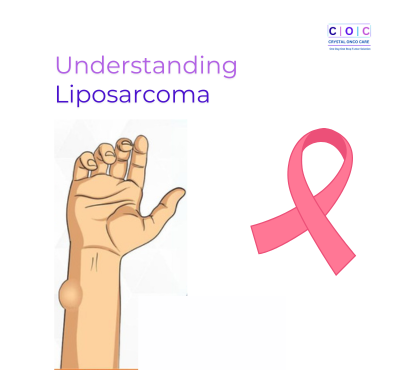
Understanding Liposarcoma: Symptoms, Treatment, and Survival Rates

Liposarcoma is a rare cancer that arises from fat cells in deep soft tissues, most often in the thigh, buttock, or inside the abdomen (retroperitoneum). It accounts for a significant proportion of soft‑tissue sarcomas but is still uncommon compared to more familiar cancers like breast or lung cancer. Many patients first notice a painless, slowly enlarging lump and don’t realise it could be malignant.​ This guide explains what liposarcoma is, how it presents, the main treatment options, and how survival rates differ by subtype and stage—so that patients and families know what questions to ask and what to expect.   What Is Liposarcoma? Liposarcoma is a malignant (cancerous) tumour of fat‑forming cells, distinct from common benign lipomas.​ It usually grows in deep soft tissues of the limbs or retroperitoneum rather than in the superficial fat under the skin. It often affects adults between 40 and 70 years, with a slight male predominance in some series.​ Liposarcoma is not one single disease; it includes several subtypes with different behaviours and prognoses.   Subtypes of Liposarcoma The main pathological subtypes are:​ Well‑differentiated liposarcoma (WDL) / atypical lipomatous tumour Slow‑growing, locally aggressive, low metastatic potential. Dedifferentiated liposarcoma (DDL) Arises from WDL areas; more aggressive with higher metastatic risk. Myxoid / round‑cell liposarcoma Intermediate behaviour; round‑cell areas indicate more aggressive disease. Pleomorphic liposarcoma (PLS) Least common but one of the most aggressive forms.​ Type, size, location, and stage at diagnosis heavily influence treatment decisions and survival.   Common Symptoms and Warning Signs Early liposarcoma may cause few or no symptoms. Typical features include:​ Painless, enlarging lump in thigh, buttock, arm, or trunk. Deep mass in the abdomen causing: Abdominal fullness or distension. Early satiety, constipation, or back pain if large. Pain, numbness, or weakness if tumour compresses nerves or blood vessels. Red flags that warrant urgent evaluation: Rapidly enlarging mass. Lump deeper than the muscle layer or >5 cm. New pain, functional limitation, or weight loss. Any deep or growing soft‑tissue lump should ideally be assessed in a sarcoma‑experienced centre.   How Is Liposarcoma Diagnosed? 1) Clinical Examination and Imaging Detailed physical exam and history (growth speed, pain, prior radiation or genetic syndromes). MRI of limb/trunk masses or CT of abdomen/retroperitoneum is typically used to define size, depth, relation to vital structures.​ 2) Biopsy Core needle biopsy under imaging guidance is standard. Distinguishes liposarcoma from benign lipoma or other sarcomas. Helps determine subtype and grade, which guide treatment.​ 3) Staging CT chest (and sometimes PET‑CT) to look for lung or other distant metastases. Staging (localised vs metastatic and tumour size) informs prognosis.​ Treatment Options Management is best planned by a multidisciplinary team (surgical oncologist, radiation oncologist, medical oncologist, radiologist, pathologist). 1) Surgery – Cornerstone of Treatment Goal is complete removal with negative margins (R0 resection) while preserving function as much as possible. For limb lesions, limb‑sparing surgery plus radiotherapy has largely replaced amputation in many cases.​ Retroperitoneal liposarcomas often require complex surgery involving adjacent organs. Surgery significantly improves survival in both localised and selected metastatic cases.​ 2) Radiotherapy Used pre‑operative (neoadjuvant) or post‑operative (adjuvant) to reduce local recurrence, especially for high‑grade, deep, or large tumours. Data show that radiotherapy can improve local control and may benefit some subtypes like myxoid liposarcoma more than others.​ 3) Chemotherapy and Systemic Therapy Role varies by subtype, grade, and stage. Anthracycline‑based regimens (e.g., doxorubicin ± ifosfamide) are common first‑line options in advanced or high‑risk cases.​ Some subtypes (e.g., myxoid) show better responsiveness than well‑differentiated forms. Targeted agents and newer drugs are being evaluated for specific molecular alterations.​   Survival Rates: What Do the Numbers Show? Survival depends strongly on stage, location, and subtype.​ From pooled data and cohort studies: Overall 5‑year survival for localised liposarcoma is commonly reported around 75–90%, but much lower for advanced disease.​ In one large study, 5‑year survival was about 75% in patients without metastasis vs around 12% in those with distant metastases.​ Subtype‑wise examples reported in literature: Well‑differentiated liposarcoma (WDL): Often has near 100% 5‑year survival when completely resected but high local recurrence.​ Myxoid liposarcoma: 5‑year survival around 80–90% in some series when adequately treated.​ Round‑cell / dedifferentiated liposarcoma: More aggressive; approximate 5‑year survival around 50% in some reports.​ Pleomorphic liposarcoma: Overall survival of about 50–55% at 5 years and around 40% at 10 years; distant stage associated with poor prognosis.​ These are averages; individual prognosis can be better or worse depending on age, overall health, tumour size, margins, and response to treatment.   Follow‑Up and Long‑Term Outlook Liposarcomas can recur locally even many years after treatment, especially WDL and retroperitoneal tumours.​ Regular follow‑up with clinical exam and imaging (e.g., MRI/CT and chest imaging) is recommended for at least 10 years, often longer for high‑risk subtypes.​ Survivorship care should address: Physical rehabilitation and limb function. Pain management and psychological support. Surveillance for late effects of radiotherapy or chemotherapy. FAQ 1) Is liposarcoma life‑threatening? Liposarcoma can be life‑threatening, especially aggressive subtypes or when diagnosed at an advanced stage. However, many patients with localised, low‑grade subtypes such as well‑differentiated liposarcoma live long lives, particularly when tumours are fully removed with clear margins and followed closely. Survival rates above 75–90% at five years are reported for localised disease in several series.​ 2) How can I tell a liposarcoma from a simple lipoma? Clinically, both may present as fatty lumps, but suspicious features for liposarcoma include deep location (beneath muscle), large size (>5 cm), rapid growth, or pain/neurological symptoms. Definitive distinction requires imaging and biopsy; many benign lipomas never need biopsy, but any atypical or enlarging mass should be evaluated in a sarcoma‑experienced centre.​ 3) Does chemotherapy always improve survival in liposarcoma? Chemotherapy benefits depend on subtype and stage. Studies show that some high‑grade and metastatic liposarcomas have measurable responses to anthracycline‑based regimens, and patients who do not progress on first‑line chemotherapy tend to have better overall survival. However, chemotherapy is not routinely used for all low‑risk, localised tumours, where surgery (plus or minus radiotherapy) is usually sufficient. Individual treatment plans must be tailored by a

Uncategorized

Beyond Family History: Understanding All Your Breast Cancer Risk Factors

Breast cancer is among the most common cancers affecting women in India and worldwide. While family history of breast or ovarian cancer is a well-known risk factor, many women diagnosed with breast cancer have no such history. Understanding the full spectrum of risk factors, beyond genetics, empowers women to take proactive steps in prevention and early detection. This detailed guide explores modifiable and non-modifiable breast cancer risk factors, including lifestyle, reproductive history, and environmental influences, with a focus on Indian women’s health. Breast Cancer Risk in Indian Women Earlier age of onset compared to Western populations.  Lifestyle transitions with urbanization increase modifiable risks.  Low awareness and screening contribute to late-stage diagnoses.  Nutrition gaps and environmental pollution may exacerbate risk. Non-Modifiable Risk Factors Gender and Age: Women are far more likely than men to develop breast cancer. Risk increases with age, peaking after 50.  Genetic Mutations: Inherited mutations in genes like BRCA1 and BRCA2 significantly increase risk, though only a minority carry these mutations.  Family History: Having a first-degree relative (mother, sister, daughter) with breast or ovarian cancer raises risk, especially if diagnosed before age 50 or if multiple relatives are affected.  Personal Medical History: Previous breast cancer or non-cancerous proliferative breast conditions like atypical hyperplasia.  Reproductive History: Early menstruation (<12 years), late menopause (>55 years), first pregnancy after age 30, and not breastfeeding increase lifetime estrogen exposure linked to cancer risk.  Breast Density: Dense breast tissue on mammograms raises risk and makes detection harder.  Modifiable Risk Factors Obesity and Weight Gain: Excess body fat, especially after menopause, raises estrogen levels, fueling cancer growth.  Alcohol Consumption: Even moderate drinking increases risk progressively.  Physical Inactivity: Sedentary lifestyle is linked to higher breast cancer incidence.  Hormone Replacement Therapy (HRT): Combined estrogen and progesterone therapy for menopause relief taken for more than 5 years raise risk.  Smoking and Environmental Exposure: Carcinogens from tobacco and polluted environments contribute to risk.  Dietary Influences: High intake of processed foods, saturated fat, and low antioxidant consumption may increase susceptibility.  Night Shift Work: Disruption of circadian rhythms is linked to hormonal imbalances and breast cancer risk.  Prevention and Early Detection Maintain a healthy weight with regular exercise.  Limit alcohol and avoid tobacco.  Eat a balanced diet rich in fruits, vegetables, and whole grains.  Screen regularly with mammograms as per guidelines based on age and risk.  Know your family history and consult Ongologist counseling if indicated.  Breastfeed if possible, as it offers protective effects.  FAQ Does having no family history mean I’m safe from breast cancer? No, most breast cancers occur in women without family history. It is important to manage other risk factors and screen regularly. How much exercise helps reduce breast cancer risk? Aiming for 150 minutes of moderate activity per week is beneficial. Can certain diets prevent breast cancer? While no diet guarantees prevention, a balanced diet full of plant-based foods supports overall health and may lower risk.

Uncategorized

Do Artificial Sweeteners Cause Cancer? The Truth Behind the Headlines

Artificial sweeteners (AS), also known as non-nutritive sweeteners or sugar substitutes, have surged in popularity in India, particularly as a favored alternative to sugar in the battling waves of diabetes and obesity. They provide sweet flavors without added calories, making them an attractive option for those seeking weight management or blood sugar control. However, AS consumption has been shadowed by persistent controversy and alarmist headlines suggesting these sweeteners may cause cancer. This article dives deep into the latest research to uncover the truth behind these concerns, providing Indians with evidence-based guidance. Understanding Artificial Sweeteners Artificial sweeteners are chemically synthesized compounds used to replicate the taste of sugar but with negligible or zero calories. Common artificial sweeteners include: Aspartame: Widely used in soft drinks, chewing gum, and low-calorie desserts. Sucralose: Popular in bakery products, beverages, and tabletop sweeteners. Saccharin: Once controversial, now approved and used in various beverages and foods. Acesulfame Potassium (Ace-K): Often combined with others to improve taste profile. These sweeteners differ chemically and metabolically but share the goal of reducing calorie intake while preserving sweetness. Unpacking the Cancer Controversy Historical Background Concerns about artificial sweeteners began in the 1970s when high doses of saccharin caused bladder tumors in lab rats. This led to a wave of fear and regulatory scrutiny. However, subsequent studies showed these findings did not translate to humans, and saccharin’s classification as a carcinogen was removed by bodies like the US FDA. What Does the Latest Research Say? A comprehensive umbrella review published in 2025 synthesized data from 35 high-quality studies examining AS intake and cancer risk. The results are largely reassuring: No significant link to overall cancer risk: Risk ratio close to 1 (RR: 0.99, 95% CI: 0.96-1.01) indicates no increased risk across the general population. Cancer-specific findings: No consistent association with pancreatic, breast, or gastrointestinal cancers. Interestingly, a modestly lower risk of gynecological cancers was observed in those with higher AS intake. Subgroup analyses: Effects were consistent regardless of the source (beverages or general AS) or study designs, supporting robustness. Contrasting New Concerns Several recent reports in 2023-2025 have reignited caution regarding specific AS: Sucralose linked to diminished efficacy of cancer immunotherapy in melanoma and lung cancer patients, implying caution in clinical contexts. The International Agency for Research on Cancer (IARC) has classified aspartame as “possibly carcinogenic” based on limited evidence. Some cohort studies suggest potential statistical associations with colorectal and stomach cancers among diabetics consuming AS, though mechanistic data is lacking. However, these findings remain preliminary and centered on specific subpopulations or conditions, not the general consumer. Biological Mechanisms Though AS pass largely unabsorbed or metabolized into harmless components, hypotheses include: Possible effects on gut microbiota influencing cancer pathways. Minor oxidative stress and DNA changes in experimental models. Varied impacts depending on sweetener type, dose, and genetic susceptibility. Current evidence does not warrant a public health alarm but underscores the need for personalized advice and ongoing research. Indian Context and Realities In India, moderate AS consumption is mostly in the form of table-top sweeteners or sugar-free beverages, often as adjuncts in diabetes management. Widespread acceptance coexists with myths and marketing claims, requiring clear, scientifically grounded education. Maximum recommended levels are regulated by FSSAI based on product type. Awareness campaigns emphasize moderation and balanced nutrition. The benefits of reduced sugar intake in preventing diabetes and obesity often offset theoretical cancer risks for most individuals. Practical Guidance on AS Use for Indian Consumers Use within recommended daily intake limits approved by Indian regulators. Prefer natural, minimally processed diets rich in fruits, vegetables, and whole grains alongside moderate AS use. Diabetic patients should consult Oncologist providers for individualized advice. Avoid high-dose, prolonged consumption without medical supervision. Alternatives to Artificial Sweeteners Natural sweeteners like stevia offer low-calorie sweetness with growing acceptance. Traditional natural sweeteners (jaggery, honey) in moderation remain useful. Ultimately, reducing overall sweetness preferences is an optimal health goal. FAQ Are artificial sweeteners completely safe for all populations? Most studies affirm safety within daily recommended limits, but pregnant women, children, and cancer patients should consult healthcare providers. Can artificial sweeteners help with weight loss and diabetes control? Yes. By reducing calorie and sugar intake, they are valuable tools in weight and glucose management programs. Do artificial sweeteners cause other health issues? Some people report digestive intolerance or headaches, but these are rare and individual. The majority tolerate them well.

Uncategorized

Is Organic Food a “Cure”? What Science Says About Diet and Cancer

Organic food enjoys a “health halo” in modern India. Labels like “100% organic” appear everywhere—from big supermarkets to local vegetable vendors—often carrying unspoken promises of longer life, protection from modern diseases, and most powerfully, cancer prevention or cure. It’s no wonder patients with a cancer diagnosis or strong family history ask: “Would going organic help… or even cure my disease?” This blog cuts through market messaging, hopeful social media headlines, and real science. Drawing on research and Indian realities, it explains what’s truly known about organic food, cancer risk, and where your plate should fit within your prevention or treatment plan. What Does “Organic Food” Really Mean in India? Organic food refers to crops grown without most synthetic pesticides, chemical fertilizers, or genetically modified organisms. Livestock are raised without growth hormones or routine antibiotics. In India, “Jaivik Bharat” and FSSAI certification have made organic farm-to-shelf transparent, but challenges remain with small farmers, local vendors, and verification. Organic = Pesticide-Free? Not quite. Organic food still uses natural (and some approved synthetic) pesticides, but with much stricter limitations. While organic produce typically contains fewer pesticide residues and at lower concentrations, no food is ever completely “chemical-free”.​ How Does Diet Affect Your Cancer Risk? Globally and in India, nutrition has a major influence on cancer prevention: 30–50% of all cancers are considered preventable through healthy diet, exercise, no tobacco, limited alcohol, and maintaining a normal weight.​ Diets rich in fruits, vegetables, whole grains, and fiber lower risk for colon, breast, mouth, and several GI cancers. Antioxidants, phytochemicals, and fiber—not “zero pesticides”—are the real shield. A “cancer-preventing plate” in Indian context means: lots of local, seasonal vegetables, variety of dal, whole grains, spices like turmeric/ginger, reduced red meat, less processed food, and minimally added sugar/fat. Organic Food: What Current Science Really Shows 1. Does Eating Organic Food Lower Cancer Risk? Major population studies in Europe and the U.S. show mixed outcomes. The largest French NutriNet-Santé study reported that people who ate organic most regularly had a 25–30% lower overall cancer risk—especially for non-Hodgkin lymphoma and postmenopausal breast cancer.​ However, many of these same people also exercised more, smoked less, and ate more nutritious food in general: their “organic effect” could be mostly a “healthy lifestyle” effect. UK “Million Women Study”: No difference in overall cancer, but small reduction in lymphoma risk for frequent organic eaters, even less difference for most other cancers. 2. Cancer Cure?—False Hopes and Market Myths No clinical or population study shows that switching to organic food cures existing cancer.​ There is no proven miracle diet—organic or otherwise—that reverses existing tumors or replaces scientifically validated cancer treatment. 3. Pesticide Residue and Cancer High, chronic occupational pesticide exposure (farmers) does increase some cancer risks. For consumers, both Indian and worldwide data show that residues in non-organic produce rarely exceed safe limits. Washing, peeling, and cooking greatly reduce what remains. 4. Diet Diversity Matters More Than “Organic” Robust evidence shows any fruit and vegetable intake—organic or not—reduces cancer risk. Colorful, varied meals with local Indian produce are always better than a restrictive “organic-only” plan.​ What Should Indian Families Prioritize? 1. Eat More Plants—Any Source Every cancer prevention guide emphasizes plant-based variety. Local Indian vegetables, unpolished dals, homemade meals, and seasonal fruits provide fiber, anti-cancer phytochemicals, and gut protection—“organic” is a bonus if affordable, but not an essential. 2. Wash, Prep, and Cook Well Washing under running water for 20 seconds removes much of the residue; peeling and thorough cooking reduce it further. Buying from trusted local or “farm-direct” producers can help, whether organic or not. 3. Focus on Other Proven Contributors Avoiding tobacco and alcohol Active lifestyle and healthy weight Early cancer screening for breast, cervix, colon—especially in high-risk families Indian Market Practicalities: Is “Organic” Always Worth It? Cost: Organic produce is 25–70% more expensive; not feasible for many Indian families. Certification Issues: Not all small-farm “organic” produce is certified or rigorously tested. Availability: Urban markets offer more choices; semi-urban/rural families benefit from kitchen or community gardens—organic or not, “fresh” is better than “shipped-from-afar.” Popular Organic Foods: Any Special Role? Some organic products (e.g., oats, apples, spinach) reduce pesticide exposure more than others, as these items often carry more residues conventionally. “Dirty Dozen” and “Clean Fifteen” lists from Indian media may guide buys for those trying to go organic while on a budget. FAQ Should cancer patients go only organic during treatment? No, recovery needs energy and high-quality protein; focus on minimizing restrictions, eating a variety of foods, and seeking dietitian advice. If organic is affordable, it may be included, but it won’t replace other science-backed care. If I have a strong family history, should our home be 100% organic? Use organic produce when possible, especially for foods that tend to have higher pesticide residues. But a strict or exclusive organic diet isn’t the only answer: screening, exercise, tobacco avoidance, and less processed food matter far more. Is organic packaged food or “organic junk” better for cancer risk? No, “organic” biscuits, chips, or candies are still ultra-processed and offer little nutritional advantage over their non-organic versions. Prioritize unprocessed, homemade foods for true cancer-preventing benefits.

breast-cancer-awareness
Uncategorized

Breast Cancer Awareness Month: The Power of Screening

October is globally recognized as Breast Cancer Awareness Month—also called “Pink October.” It’s more than a sea of pink ribbons: it’s a time to honor those affected, to spread knowledge, and to remind every Indian family that regular screening is the single most powerful tool to save lives from breast cancer. Many lives are lost each year in India due to late diagnosis, but with early detection, survival rates rise dramatically and women can lead full, healthy lives. Here’s why screening matters, the barriers unique to India, what screening involves, and how each person can contribute to a safer future. Why Is Breast Cancer Screening So Important? Breast cancer is now the most common cancer among Indian women, making up nearly 14% of all female cancers. Almost half of Indian cases are detected at late stages (III or IV), when treatment is harder and survival rates fall sharply.​ Early detection through screening leads to a far higher chance of cure and less aggressive treatment.​ When breast cancer is found early, 5-year survival rates exceed 90%—compared to 66% in India due to frequent late diagnosis.​ What Is Screening? Who Should Get Screened? Screening is checking for cancer in healthy individuals before symptoms show. The best screening tool is mammography (a special breast X-ray); sometimes ultrasound or MRI is used for high-risk cases.​ Indian and international guidelines recommend: Average–risk women: Begin annual or biennial mammograms at age 40. High–risk women: (family history, gene mutations) may start earlier. All women: Should learn breast self-awareness and consult a doctor if any lumps, changes, or discharge are noticed.​ What Happens During a Mammogram? Performed by a trained radiographer—takes only 10–15 minutes. Each breast is gently compressed for a clear X-ray image. Any suspicious findings will be followed up with more tests (ultrasound, biopsy), but most mammograms are normal and bring reassurance.​ The Power—and Limits—of Regular Screening Benefits Benefit Description Early Detection Cancer is found before it spreads or causes symptoms Higher Survival Rates Chance of cure is much better in early stages Less Aggressive Treatments Smaller tumors often need simpler surgery or fewer chemotherapy cycles​ Peace of Mind Most screens are normal, providing comfort Limitations Limitation Description Not all cancers are detected “False negatives” may miss some tumors False alarms “False positives” can lead to extra tests Overdiagnosis Sometimes tiny, slow-growing cancers are found and treated, though they may never spread​ Radiation exposure Each mammogram uses a small dose—risk is very low and outweighed by benefits​ Why Do So Many Cases in India Get Detected Late? Lack of awareness and education on early signs (lump, skin changes, nipple change, swelling) Cultural taboos and fear of discussing breast health, especially in rural/traditional communities Limited access to high-quality screening, particularly in remote areas Stigma—fear of being labeled, social anxiety about hospital/doctor visits Worries about cost (many government and NGO programs offer free/low-cost mammography) The Power of Pink October – What Can YOU Do? Get Screened: Schedule a mammogram if you are age 40+, or earlier if high risk. Encourage female relatives and colleagues to join you. Know Your Normal: Perform regular breast self-awareness—notice any changes and report them promptly. Break the Silence: Start conversations with family, friends, and in women’s groups to reduce stigma. Participate in Awareness Drives: Join or support local screening camps, walks, or discussions. Share Reliable Information: Use WhatsApp, social media, or community meetings to spread facts and bust myths. The Men and Breast Cancer Connection While rare, men can get breast cancer too (and so can trans and non-binary people). Pink October includes a dedicated awareness week for men, highlighting the need for open conversations and timely checkups, regardless of gender.​ Breast Cancer Screening: Indian & Global Impact Recent Indian screening campaigns and free programs have started to catch cancers earlier, saving lives every year.​ Global research has shown mammography reduces the chance of dying from breast cancer by up to 30–33% among women aged 50–69, and by 14% for women aged 50–59.​ October is a time to reflect, but year-round action is needed: regular screening saves lives. FAQs At what age should I start getting screened? Standard is age 40 for average-risk women (some guidelines advise 45 or 50), but women with family history or risk factors may need earlier and more frequent checks. Always discuss with your doctor. Does a normal mammogram mean I’m safe from breast cancer? No test is perfect; it’s still vital to practice breast self-awareness and never ignore new changes. Regular screening, alongside vigilance, offers best protection. Is breast cancer always curable if found early? Most cases found early are highly treatable, often with surgery and limited therapies. Late-stage cases are harder but can be managed with modern treatment advances; survival and quality of life are still possible.

Uncategorized

How to Stay Active During Cancer Treatment

Receiving a cancer diagnosis and starting treatment is often overwhelming, both physically and emotionally. Yet evidence increasingly shows that staying active during cancer therapy can profoundly improve fatigue, mood, physical strength, and even treatment outcomes. In India, where misconceptions often equate cancer care with strict bed rest, empowering patients to move—gently, safely, and smartly—is a vital part of holistic cancer management. This blog demystifies activity guidelines during cancer treatment, offers practical advice for different ability levels, and reassures patients and families that even small steps can make a big difference. Why Does Physical Activity Matter During Cancer Treatment? Key Scientific Benefits Reduces treatment-related fatigue: Exercise is proven to fight persistent tiredness, a common challenge with chemotherapy and radiotherapy. Strengthens muscles and preserves bone mass: Movement helps maintain lean muscle and bone health during prolonged therapy. Boosts emotional well-being: Aerobic and resistance exercises decrease anxiety, depressive symptoms, and improve quality of life for most cancer types. Improves physical functioning: Activity enhances balance, flexibility, and the ability to do everyday tasks. May support immune function and recovery rate: Engaged, active bodies respond better to both acute and long-term recovery needs. International and Indian guidelines agree: avoiding inactivity is key, and a gradual, personalized exercise plan benefits nearly every person with cancer. How Much Physical Activity Is Safe? General recommendations for adults undergoing cancer treatment: Type of Activity Weekly Target Details Aerobic Exercise 150 mins moderate OR 75 mins vigorous Spread across 3+ days, e.g., walking, cycling Resistance Training 2 sessions weekly Light weights, resistance bands Stretching 2 sessions weekly Major muscle groups, gentle movement Start slow: Walking for 5–10 minutes a day and gradually building up is perfectly fine. All movement counts—even simple household tasks or gentle yoga. Activity Guidelines by Cancer Type & Treatment Breast/prostate/colorectal cancer: Walking 30 minutes 3–4 times per week, resistance exercises twice weekly, stretching for flexibility. Patients with lymphedema: Wear compression sleeves if preferred; monitor for swelling; start with gentle movements. Bone metastases or osteoporosis: Avoid high-impact, twisting, or excessive resistance exercises; falls and fractures risk must be minimized. Peripheral neuropathy: Prioritize balance activities; use stationary cycling or aquatic exercise instead of unsupported walking. Seniors and those with mobility issues: Assess baseline fit, adapt pace, and focus on safe transitions to becoming more active. Always consult your oncologist or care team before starting new activity—some periods of treatment warrant modified plans, and infection risk, bone lesions, or severe fatigue may require adjustment. How to Begin: Step-by-Step Practical Advice Get clearance: Always check with your cancer care team for personalized guidance. Routine and consistency beat intensity: Even short daily walks, gentle stretches, and light activity count. Warm up and cool down: Start with gentle movements (shoulder rolls, neck stretches) and wind down with deep breathing or gentle reach exercises. Hydrate well: Drink plenty of fluids, especially when exercising. Listen to your body: Some days will be more challenging; adjust plans, rest when needed, and celebrate every small achievement. Track progress: Maintain a simple diary—note activities, fatigue levels, and mood. Join a class or support group: Cancer rehab groups, gentle yoga streams, and family walks can be both social and motivational. Safe Movements During Cancer Therapy Activity Type Recommended Examples Aerobic Walking, gentle cycling, aquatic exercise Resistance Light weights, resistance bands, wall push-ups Flexibility Stretching, basic yoga, range-of-motion movements Balance Supported standing, side leg lifts, gentle core work Avoid contact sports, heavy weightlifting, and activities that risk falls or injury—with particular attention to body areas affected by treatment. Barriers to Staying Active—and Solutions Fatigue: Start with short sessions; experiment with timing (e.g., activity after morning rest, not late afternoon). Pain or mobility issues: Focus on upper or lower body as able; use assisted movement aids. Mood challenges: Pair exercise with enjoyable music, friends, or safe outdoor settings for motivation. Access: Use home routines; simple household chores count. Caution Signs to Watch For Stop and consult your care team if you experience: Sudden or severe pain Shortness of breath, chest discomfort Dizziness or persistent palpitations Swelling, redness, or infection signs Bleeding or unexplained bruising Safety first: adjust intensity and methods based on daily health and medical advice. Psychological and Social Benefits Physical activity is as much about the mind as the body. Cancer survivors report lower levels of anxiety, depression, and loneliness with gentle exercise, and families often bond over shared activity, enhancing emotional strength during treatment. FAQ Can I exercise during chemotherapy or radiation? Yes, most patients can—gentle routine is encouraged unless illnesses or severe side effects prevent safe movement. Every case needs personal review and a flexible approach. Will exercise interfere with my treatment or results? No—studies show exercise supports recovery and reduces side effects for most patients. Always follow medical guidance and adjust for day-to-day symptoms. What if I feel exhausted or unwell on certain days? Rest is as important as movement. Listen to your body, reduce intensity, skip sessions as needed, and resume when feeling stronger.

Uncategorized

Immunotherapy: The Future of Cancer Treatment?

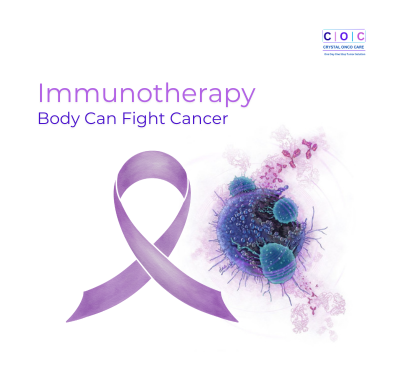
Cancer treatment has come a long way in the last few decades. While surgery, chemotherapy, and radiation have been the traditional approaches, recent advancements in immunotherapy have opened a new frontier in fighting cancer. Unlike treatments that directly target cancer cells, immunotherapy works by stimulating or enhancing the body’s own immune system to recognize and destroy these harmful cells. This shift has led many experts to believe that immunotherapy could be the future of cancer treatment. In this blog, we’ll explore how immunotherapy works, the types available, its benefits and challenges, and what the future may hold. What is Immunotherapy? Immunotherapy is a type of cancer treatment that boosts the natural defenses of the immune system. The immune system normally protects us from infections and abnormal cells, but cancer cells often develop mechanisms to escape detection. Immunotherapy helps the body recognize cancer cells as threats and fight them more effectively. Types of Immunotherapy There are several forms of immunotherapy currently in use or under development: Immune Checkpoint Inhibitors Cancer cells often use checkpoint proteins to avoid immune attacks. Drugs that block these checkpoints (like PD-1/PD-L1 and CTLA-4 inhibitors) free the immune system to attack tumors. Monoclonal Antibodies These lab-made molecules bind to specific targets on cancer cells. They can directly destroy cancer cells or flag them for the immune system. Cancer Vaccines Unlike preventive vaccines (e.g., HPV vaccine), cancer vaccines train the immune system to attack existing cancer cells. CAR T-Cell Therapy T-cells (a type of white blood cell) are taken from the patient, genetically modified to target cancer cells, and then reintroduced. This therapy has shown remarkable success in blood cancers. Cytokine Therapy Uses proteins like interferons and interleukins to boost immune activity against cancer. Benefits of Immunotherapy Long-lasting effects: The immune system can “remember” cancer, reducing the risk of recurrence. Targeted action: Unlike chemotherapy, immunotherapy often spares healthy cells, lowering side effects. Effectiveness in advanced cancers: It has worked for patients who had limited options with traditional therapies. Potential across multiple cancer types: From melanoma to lung and kidney cancers, immunotherapy has shown promise. Challenges and Limitations Not effective for everyone: Some patients do not respond to immunotherapy. Side effects: Can trigger inflammation in healthy organs (autoimmune-like reactions). Cost: Immunotherapy treatments can be expensive. Accessibility: Availability in India is increasing but remains limited in certain regions. Immunotherapy in India In India, immunotherapy is gradually becoming available in major cancer centers. Treatments like checkpoint inhibitors and monoclonal antibodies are being used more widely. Research and clinical trials are ongoing, aiming to make these therapies more affordable and accessible for Indian patients. The Future of Immunotherapy The future looks promising: Combination therapies: Immunotherapy with chemotherapy, radiation, or targeted drugs may improve outcomes. Personalized treatments: Tailored immunotherapies based on genetic profiles. Expanded use: More solid tumors may soon become treatable with immunotherapy. Cost reduction: Local research and production may bring down costs in India. Immunotherapy represents a paradigm shift in cancer treatment. While challenges remain, its ability to harness the immune system makes it a revolutionary approach. For many patients, it offers hope where traditional therapies have failed. With ongoing research and improved accessibility, immunotherapy may indeed be the future of cancer care. FAQ Q1. Who is eligible for immunotherapy? Not all cancer patients qualify. Doctors decide based on the type of cancer, stage, and genetic markers. Immunotherapy is more commonly used in melanoma, lung cancer, kidney cancer, and some blood cancers. Q2. Are side effects of immunotherapy serious? Side effects can range from mild (fever, fatigue, skin rash) to serious (lung inflammation, colitis, liver issues). However, doctors monitor patients closely to manage them effectively. Q3. Is immunotherapy available in India and is it affordable? Yes, it is available in many cancer hospitals, but affordability remains a challenge as costs are higher compared to chemotherapy. With growing clinical trials and Indian research, costs may reduce in the coming years

Uncategorized

What to Expect During Chemotherapy: A Patient’s Guide

Chemotherapy is one of the most well-known treatments for cancer. While the word itself often brings feelings of anxiety or uncertainty, it is essential to remember that chemotherapy plays a vital role in managing and treating many types of cancers. The treatment aims to destroy rapidly dividing cancer cells, slow down their growth, and, in many cases, help achieve remission. For patients beginning chemotherapy, understanding what to expect can make the process less overwhelming. This guide provides a clear, step-by-step explanation of the chemotherapy journey, the possible side effects, coping strategies, and tips to make the treatment more manageable. What is Chemotherapy? Chemotherapy (often shortened to “chemo”) refers to the use of specific drugs to stop or slow the growth of cancer cells. Unlike surgery or radiation, which target specific areas, chemotherapy is a systemic treatment, meaning it travels through the bloodstream and affects cells throughout the body. This helps reach cancer cells that may have spread beyond the initial tumor site. How Chemotherapy is Administered Chemotherapy can be given in different ways, depending on the type of cancer, the treatment plan, and the patient’s overall health. Common methods include: Intravenous (IV): The most common method, where the medicine is delivered directly into a vein. Oral: Some chemotherapy drugs are available in tablet or capsule form. Injection: Given as a shot into a muscle or under the skin. Topical: Certain creams are applied directly to the skin for cancers like skin cancer. Intraperitoneal or intrathecal: In some cases, chemotherapy may be delivered directly into specific body cavities, such as the abdomen or spinal fluid. The Chemotherapy Cycle Chemotherapy is usually given in cycles, which means you receive treatment for a certain period followed by a rest period. This rest allows healthy cells in the body to recover before the next cycle begins. Active treatment days: When the drug is administered. Rest days: Time off to help the body recover from the effects of the medicine. For example, a patient might receive chemotherapy for two days, followed by a rest period of two weeks. The cycle repeats until the treatment plan is completed. The length and number of cycles depend on the type and stage of cancer. What to Expect Before Starting Chemotherapy Before beginning chemotherapy, patients undergo several evaluations: Medical tests: Blood tests, scans, and sometimes heart or lung function tests to ensure your body is ready for treatment. Discussion with your oncologist: The doctor explains the treatment schedule, side effects, and precautions. Placement of a port or catheter: In cases where multiple IV infusions are needed, a device may be placed under the skin to make treatments easier. Common Side Effects of Chemotherapy Chemotherapy affects both cancer cells and healthy cells. Because of this, side effects can occur. Not everyone experiences the same issues, but being aware of them can help patients prepare better. Fatigue: One of the most common side effects. Energy levels may dip, making daily activities challenging. Hair loss: Some drugs cause partial or complete hair loss, which usually grows back after treatment. Nausea and vomiting: Anti-nausea medications can help manage this. Mouth sores: The lining of the mouth can become sensitive, leading to ulcers. Loss of appetite: Changes in taste or reduced hunger are common. Weakened immunity: Chemotherapy lowers white blood cell counts, making patients more vulnerable to infections. Anemia and bleeding issues: Low red blood cell or platelet counts can cause weakness, dizziness, or easy bruising. Skin and nail changes: Dryness, darkening, or brittleness may appear. Coping Strategies During Chemotherapy Facing chemotherapy can feel overwhelming, but practical strategies can make the journey more manageable: Physical Coping Eat small, frequent meals: This helps with nausea and low appetite. Stay hydrated: Drink plenty of water and fluids. Rest as needed: Balance activity with rest to manage fatigue. Maintain hygiene: Wash hands regularly and avoid crowded places to lower infection risks. Emotional Coping Seek support: Talking to family, friends, or support groups can ease stress. Counseling or therapy: Mental health professionals can help patients cope with anxiety and depression. Stay engaged: Continue hobbies and light activities when possible. Practical Coping Plan appointments ahead: Keep a calendar of treatment sessions. Ask for help: Allow loved ones to assist with cooking, cleaning, or transportation. Stay informed: Understanding the treatment plan reduces fear and uncertainty. Tips to Make Chemotherapy Easier Prepare a chemo bag: Include snacks, water, headphones, a blanket, and books or music for long sessions. Wear comfortable clothes: Loose-fitting attire makes treatments more comfortable. Keep a journal: Track symptoms, side effects, and emotions to share with your doctor. Use gentle hair and skin care products: This helps reduce irritation. Communicate with your care team: Always report new or worsening symptoms. Life After Chemotherapy Once chemotherapy is completed, recovery continues. Patients may still feel tired for weeks or months as the body heals. Regular follow-ups with the oncologist ensure cancer has not returned and monitor long-term side effects. Positive lifestyle changes such as a balanced diet, regular exercise, stress management, and avoiding smoking or alcohol can improve recovery and overall health. Starting chemotherapy can feel like stepping into the unknown, but with the right knowledge and preparation, the journey becomes easier to manage. By staying informed, maintaining open communication with the medical team, and seeking both physical and emotional support, patients can go through chemotherapy with greater strength and confidence. FAQ Q1. Will chemotherapy cure my cancer? Chemotherapy can cure some types of cancer, but in other cases, it may only control or shrink the disease. The effectiveness depends on the type and stage of cancer, as well as how the body responds to the drugs. Q2. Is chemotherapy painful? The treatment itself is not usually painful, though the insertion of an IV needle may cause mild discomfort. Some patients may experience side effects like nausea, fatigue, or body aches, but pain management strategies are available. Q3. How long does it take to recover after chemotherapy? Recovery time varies from person to person. Many patients regain their strength

Uncategorized

The Importance of a Strong Support System for Cancer Patients

A cancer diagnosis can change a person’s life overnight. Beyond the physical challenges of treatments such as chemotherapy, radiation, or surgery, there is an emotional and psychological toll that can feel overwhelming. While medical treatment is critical, an often-underestimated factor in a patient’s healing journey is a strong support system. A support system is more than just “being there.” It is a network of people—family, friends, caregivers, healthcare professionals, and even cancer support groups—who provide emotional comfort, practical assistance, and a sense of belonging during one of the most challenging times in life. In this blog, we will explore why having a strong support system is crucial for cancer patients, the types of support they need, the positive impact on treatment and recovery, and practical tips for building such a system. 1. Why Emotional Support Matters in Cancer Care Cancer is not just a disease of the body—it deeply affects the mind and spirit. Fear, anxiety, depression, and uncertainty often accompany the diagnosis. Emotional support helps patients navigate these feelings, providing stability in a period of turbulence. Emotional Benefits of a Support System Reduces feelings of isolation: Knowing that people care helps prevent loneliness, which is common in cancer patients. Encourages open expression: Patients can talk about fears and concerns without judgment. Boosts mental resilience: Positive emotional connections improve the ability to cope with stress. Provides hope and motivation: Loved ones help the patient focus on life goals beyond the illness. 2. The Role of Practical Support Aside from emotional comfort, cancer patients often need practical, day-to-day help. This includes assistance with hospital visits, household chores, meal preparation, and managing finances. Examples of Practical Support Transportation to treatments: Chemotherapy or radiation sessions often require regular travel. Meal planning and cooking: Nutritious meals are vital for recovery, but fatigue may prevent cooking. Managing appointments and medications: Keeping track of schedules can be overwhelming. Childcare or eldercare: Patients with family responsibilities may need extra help. Such support not only lightens the patient’s load but also ensures they can focus their energy on healing. 3. Psychological Impact of a Support System Several studies show that patients with strong social connections often experience better emotional well-being and improved quality of life. The psychological stability gained from a solid support network can help: Reduce stress hormones that may weaken the immune system. Encourage positive thinking, which is linked to better treatment adherence. Enhance the patient’s will to continue fighting the disease. 4. Support from Healthcare Professionals Doctors, nurses, counselors, and palliative care specialists form a critical part of the support system. They: Provide accurate medical information and clear treatment plans. Offer psychological counseling for coping strategies. Educate family members on how to care for the patient. Address concerns about side effects and recovery expectations. The trust between healthcare providers and patients can significantly influence treatment outcomes. 5. Support Groups and Peer Networks Sometimes, the best understanding comes from those who have walked the same path. Support groups—both in-person and online—allow patients to: Share experiences and coping strategies. Learn about new treatments and wellness tips. Build friendships that reduce feelings of isolation. Gain inspiration from cancer survivors. Peer support can instill a sense of hope that even professional counseling may not fully replicate. 6. How Support Improves Treatment Outcomes A strong support system can directly and indirectly improve cancer care outcomes: Better adherence to treatment plans: Patients are more likely to follow schedules when encouraged and assisted. Reduced hospital readmissions: Timely help and monitoring can prevent complications. Improved mental health: Positive emotions have been linked to better immune function. Faster recovery post-treatment: Emotional stability promotes physical healing. 7. Tips for Building and Maintaining a Strong Support System If you or a loved one is facing cancer, here’s how to ensure support is strong and effective: For Patients Communicate needs clearly: Don’t be afraid to ask for help. Stay connected: Regular phone calls or meet-ups with friends and family can make a difference. Join a support group: Find one that matches your specific cancer type or age group. For Family & Friends Listen actively: Sometimes, the patient just needs someone to hear them out. Offer specific help: Instead of saying “Let me know if you need anything,” suggest concrete actions like “I can cook dinner on Tuesday.” Be consistent: Ongoing support is more valuable than one-time gestures. 8. The Role of Spiritual and Cultural Support In India, spirituality and cultural traditions often play an important role in emotional healing. Prayer groups, meditation practices, or community rituals can provide: A sense of peace and acceptance. Emotional grounding during uncertain times. Strength from shared cultural values. 9. Overcoming Challenges in Building a Support System Some patients may hesitate to seek support due to fear of burdening others, lack of nearby family, or introversion. Solutions include: Seeking professional counseling. Exploring virtual support groups. Using technology (video calls, messaging groups) to stay connected with distant loved ones. Cancer treatment is a complex journey that extends beyond medicines and hospital visits. While medical interventions target the disease, a strong support system nourishes the heart and mind, making the fight more bearable and recovery more hopeful. Whether it’s a loving family member, a compassionate friend, or a group of strangers turned allies, this network is a lifeline that can make all the difference. FAQs 1. Why is emotional support so important for cancer patients? Emotional support reduces stress, promotes mental resilience, and helps patients cope better with treatment side effects, improving overall quality of life. 2. Can a support system improve treatment success? Yes. Encouragement, practical help, and emotional stability lead to better adherence to treatment, fewer complications, and potentially faster recovery. 3. What if a cancer patient doesn’t have close family nearby? They can join support groups, seek professional counseling, and use digital platforms to connect with peers and volunteers for both emotional and practical assistance.

Scroll to Top