Author name: event

Uncategorized

How Does Cancer Develop? A Simple Explanation for Patients

Cancer isn’t just one disease; it’s a process where normal cells go rogue—growing, multiplying uncontrollably, and invading tissues. Unlike common myths, cancer doesn’t spread spontaneously—it’s the result of cumulative molecular changes over time. This guide breaks down how cancer develops, the role of genes, stages of growth, and why early detection matters—explained in simple terms for patients and families in India. From Normal Cell to Cancer Cell a) Cell Growth Control Normal cells grow via signals that tell them when to divide When old or damaged, cells die via programmed cell death (apoptosis) Genetic instructions (genes) in DNA regulate these functions b) Gene Mutations—The Spark Changes in DNA (“mutations”) can occur due to age, toxins (e.g., tobacco), UV, infections, or inheritance A few “driver mutations” can disable brakes on cell growth, or fix accelerator stuck-on signals c) Accumulation Creates Cancer It takes approx. 6 mutations for a cell to become dangerous Mutations accumulate due to clonal selection—cells with growth advantage expand Cancer Progression—Stages Made Simple Stage What Happens Initiation First mutation occurs, but cell still normal Promotion Additional mutations → dysplasia (abnormal) Progression Develops into benign tumor (adenoma) Invasion Becomes malignant, invades tissues Metastasis Spreads via blood/lymph to other organs Example: colon polyps turning into colorectal cancer Cancer’s Special Features (“Hallmarks”) These are key changes cancer makes to survive and grow : Grow continuously without external signals Ignore stop signals Evade cell death Immortal—copy endlessly Attract blood supply (angiogenesis) Invade tissues & spread elsewhere (metastasis) Causes Specific to India Lifestyle factors: Tobacco, alcohol, obesity, high-fat low-fibre diet Infections: HPV (cervical), hepatitis B/C (liver), H. pylori (stomach) Environmental factors: UV, pollution, occupational exposures Genetics: Inherited mutations (BRCA1/2, TP53)—rare but impactful Why Early Detection Matters Early-stage tumours are SMALLER, localized, and curable Survival rates in India are higher when detected early—for example, localized breast or cervical cancer Screening (like Pap smear, low-dose CT for smokers, colonoscopy) removes pre-cancerous lesions or finds early disease Body’s Defences & Failures Immune system often eliminates abnormal cells—but cancer evolves to escape detection Loss of tumor suppressor genes (like p53) hinders repair of damaged DNA and allows escape from apoptosis Modern treatments like immunotherapy boost the immune system’s ability to detect cancer. Treatment Targets Across Development Stage Medical Strategy Precancerous Removal (e.g., colon polyp polypectomy) Localized Surgery, radiation Early spread Chemo, targeted therapy, immunotherapy Advanced/ metastatic Palliative care, targeted agents, symptom control Cancer begins with gene errors, evolves over time, and is driven by multiple environmental and biological pressures. Understanding this timeline helps patients grasp why early diagnosis and healthy habits are powerful tools. Most importantly, if caught early, cancer is treatable—and survivors go on to lead full lives. These guides empower you with knowledge, reduce fear, and promote proactive health decisions—whether preparing for a first-time endoscopy or understanding cancer biology. Let me know if you’d like printable PDFs, patient worksheet templates, or videos ready for sharing! Frequently Asked Questions Q1: Does everyone with gene mutation develop cancer? No—most cancers are due to acquired mutations. Even inherited mutations need other “hits” to form cancer. Lifestyle, environment, and luck play roles. Q2: How fast does cancer develop from a mutation? It varies. Some cancers take years (colon, breast), while others (blood/bone) may be faster. Regular screening is key. Q3: Can lifestyle changes reverse early cancer? Healthy diet, exercise, quitting tobacco, immunizations (like HPV/HBV), and screenings can prevent or detect early disease. Reversal of established cancer requires medical treatment.

Uncategorized

How to Manage Cancer Treatment Side Effects

Cancer treatments like chemotherapy, radiation, and immunotherapy can cause challenging side effects. Knowing how to manage them can improve quality of life during recovery. Common Cancer Treatment Side Effects & Solutions 1. Fatigue (Extreme Tiredness) Solution: Short naps, light exercise (walking), energy-boosting foods (nuts, bananas). 2. Nausea & Vomiting Solution: Ginger tea, small frequent meals, anti-nausea meds (ondansetron). 3. Hair Loss (Alopecia) Solution: Use mild shampoos, scalp cooling caps, wigs/scarves. 4. Mouth Sores (Mucositis) Solution: Saltwater rinses, soft foods, avoid spicy/acidic foods. 5. Loss of Appetite Solution: Eat small, protein-rich meals (eggs, lentils), smoothies. 6. Nerve Pain (Peripheral Neuropathy) Solution: Warm compresses, acupuncture, prescribed painkillers. Diet Tips for Cancer Patients ✔ Eat High-Protein Foods – Chicken, fish, tofu. ✔ Stay Hydrated – Coconut water, herbal teas. ✔ Avoid Raw Foods – Risk of infection. Natural Remedies for Side Effects Turmeric Milk – Reduces inflammation. Aloe Vera Juice – Soothes mouth ulcers. Peppermint Oil – Relieves nausea. When to Seek Medical Help? If side effects are severe or persistent. If you have high fever or infections. Managing cancer treatment side effects requires patience and care. Follow these tips, stay in touch with your doctor, and prioritize self-care for a smoother recovery. FAQ 1. How long do chemo side effects last? Most side effects fade weeks after treatment, but some (like neuropathy) may last longer. 2. Can exercise help with cancer fatigue? Yes! Light activities like walking or yoga boost energy levels. 3. Are there foods to avoid during chemo? Avoid raw sushi, unpasteurized dairy, and undercooked meat (infection risk).

Uncategorized

Radiation Therapy: How It Works and What You Should Know

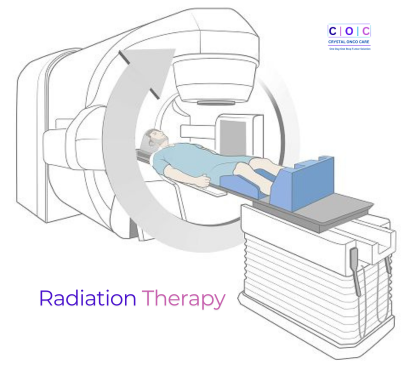
Radiation therapy has emerged as a cornerstone in the multidisciplinary approach to cancer treatment. In India, with the rising incidence of various cancers, understanding the nuances of radiation therapy becomes imperative for patients and caregivers alike. This guide delves into the workings of radiation therapy, its benefits, potential side effects, and the advancements making it more effective and accessible in the Indian healthcare landscape. What is Radiation Therapy? Radiation therapy, also known as radiotherapy, utilizes high-energy particles or waves, such as X-rays, gamma rays, electron beams, or protons, to destroy or damage cancer cells. By damaging the DNA of these cells, radiation impedes their ability to grow and divide, leading to cell death. Importantly, while radiation affects both cancerous and normal cells, normal cells possess a superior ability to repair themselves, allowing for targeted treatment with minimal collateral damage. Types of Radiation Therapy External Beam Radiation Therapy (EBRT): The most common form, EBRT delivers radiation from a machine outside the body, directing high-energy beams at the cancer site. Advanced techniques include: 3D Conformal Radiation Therapy (3D-CRT): Uses imaging to target tumors precisely. Intensity-Modulated Radiation Therapy (IMRT): Modulates radiation intensity for optimal dosing. Image-Guided Radiation Therapy (IGRT): Utilizes imaging during treatment for accuracy. Stereotactic Body Radiation Therapy (SBRT): Delivers high doses in fewer sessions, ideal for small tumors. Internal Radiation Therapy (Brachytherapy): Involves placing radioactive sources directly inside or near the tumor. Commonly used for cancers of the cervix, prostate, and breast. Systemic Radiation Therapy: Involves administering radioactive substances orally or intravenously. The radioactive material travels through the bloodstream to target cancer cells. Example: How Does Radiation Therapy Work? Radiation therapy damages the DNA within cancer cells, hindering their ability to reproduce. Over time, these damaged cells die and are naturally eliminated by the body. The precision of modern radiation techniques ensures maximal impact on cancer cells while sparing surrounding healthy tissue. Benefits of Radiation Therapy Targeted Treatment: Advanced imaging and delivery techniques allow for precise targeting of tumors. Non-Invasive: Especially in EBRT, the procedure is non-invasive, reducing recovery times. Versatility: Can be used alone or in combination with surgery, chemotherapy, or immunotherapy. Palliative Care: Effective in alleviating symptoms like pain or bleeding in advanced cancers. Potential Side Effects Side effects vary based on the treatment area, radiation dose, and individual patient factors. Common side effects include: Fatigue: A prevalent side effect, often accumulating over the course of treatment. Skin Changes: Redness, peeling, or darkening in the treated area. Hair Loss: Occurs only in the area being treated. Appetite Changes: Especially when treating areas like the abdomen. Nausea or Diarrhea: Common when the stomach or pelvic areas are irradiated. Most side effects are temporary and manageable with medical support. Advancements in Radiation Therapy in India India has witnessed significant advancements in radiation oncology: Proton Therapy Centers: Facilities like the Tata Memorial Centre have introduced proton therapy, offering precise treatment with minimal side effects. CyberKnife Technology: Available in select centers, it provides robotic radiosurgery for tumors in sensitive areas. Increased Accessibility: Government initiatives have improved access to radiation therapy in tier-2 and tier-3 cities. Radiation Therapy for Liver Cancer Liver cancer poses unique challenges due to the organ’s sensitivity. Radiation therapy options include: Stereotactic Body Radiation Therapy (SBRT): Delivers high doses over fewer sessions, minimizing exposure to healthy liver tissue. Selective Internal Radiation Therapy (SIRT): Involves injecting radioactive beads into the liver’s blood supply, targeting tumors directly. These techniques have shown promise in managing liver tumors, especially when surgery isn’t feasible. Radiation therapy stands as a pivotal tool in the fight against cancer, offering targeted treatment with evolving precision. With advancements in technology and increased accessibility in India, patients have more options than ever. Consulting with a radiation oncologist can provide clarity on the best approach tailored to individual needs. FAQs Is radiation therapy painful? The procedure itself is painless. However, some side effects, like skin irritation or fatigue, may cause discomfort during or after treatment. How long does a typical radiation therapy session last? While the actual radiation delivery takes only a few minutes, the entire session, including setup, may last 15 to 45 minutes. Can radiation therapy be used in conjunction with other treatments? Yes, radiation therapy is often combined with surgery, chemotherapy, or immunotherapy to enhance treatment efficacy.

Uncategorized

Unique Case of the Month: February 2024 : Primary Hyperparathyroidism Masquerading

Unique Case of Month: February 2024 A rear case of a 17 year old male patient admitted with complaints of severe abdominal pain with the history of hospitalisation two times in the past 3 months for acute Pancreatitis. Patient investigated in details found to have hypercalcemia and raised Parathyroid Hormone levels . The USG neck was done showing the Paratracheal lymph node. For confirmation Sestamibi scan was done which revealed left lower lobe parathyroid adenoma. Hence the call for Minimal Invasive Excision of Parathyroid adenoma was taken. The patient underwent Minimal Invasive Parathyroidectomy (MIP) with 2.5 cm incision. Intraoperative USG done for localisation. Intraoperative frozen section confirmation done. Intraoperative blood samples sent for PTH levels at 5 minutes and 15 minutes which showed fallen values of 93.9 and 51.9 respectively from preoperative values of 326. Post operative patient parathyroid level back to normal level. Primary Hyperparathyroidism Masquerading as Recurrent Pancreatitis in a 17-Year-Old Male Case Presentation A 17-year-old male presented with severe epigastric pain and a history of two hospitalizations for acute pancreatitis within the past 3 months. Despite conservative management, symptoms recurred, prompting further evaluation. Diagnostic Workup Laboratory Findings: Persistent hypercalcemia (corrected calcium: 12.8 mg/dL). Elevated parathyroid hormone (PTH) level: 326 pg/mL (normal: 15–65 pg/mL). Imaging: Ultrasound neck: Revealed a paratracheal hypoechoic nodule (suggestive of parathyroid pathology). Sestamibi scan: Confirmed a left inferior parathyroid adenoma. Management Minimally Invasive Parathyroidectomy (MIP) was performed via a 2.5 cm targeted incision. Intraoperative Protocol: Ultrasound-guided localization. Frozen section confirmation of adenoma. Serial PTH monitoring: Post-excision levels dropped to 93.9 pg/mL (5 min) and 51.9 pg/mL (15 min), confirming biochemical cure. Outcome Postoperative PTH and calcium levels normalized. No recurrence of pancreatitis or hypercalcemia at follow-up. Key Learning Points Hyperparathyroidism, though rare in adolescents, should be considered in recurrent pancreatitis with hypercalcemia. Sestamibi scan remains gold-standard for preoperative localization. MIP with intraoperative PTH monitoring ensures high success rates with minimal morbidity. Takeaway: This case highlights the importance of investigating secondary causes of pancreatitis, particularly in young patients with atypical presentations.

Role-of-Genetics-in-Cancer
Uncategorized

Understanding the Role of Genetics in Cancer: Should You Get Tested?

Cancer remains one of the leading causes of mortality worldwide. While environmental factors and lifestyle choices significantly contribute to cancer development, genetics also play a crucial role. Understanding the genetic predisposition to cancer can empower individuals to take proactive measures in prevention, early detection, and treatment. This article delves into the role of genetics in cancer and evaluates whether genetic testing is a step you should consider. The Genetic Connection to Cancer What is Genetic Mutation? Genes are segments of DNA that instruct cells on how to function. Mutations are changes in these genes that can disrupt normal cell behavior. Some mutations are inherited (germline mutations), while others are acquired over a person’s lifetime (somatic mutations). Hereditary vs. Sporadic Cancer Hereditary Cancer: Caused by inherited genetic mutations. Individuals with these mutations have a higher risk of developing certain cancers. Sporadic Cancer: Occurs due to mutations acquired over time, influenced by environmental factors and lifestyle. Approximately 5-10% of all cancers are hereditary, emphasizing the importance of genetic awareness. Common Hereditary Cancer Syndromes 1. BRCA1 and BRCA2 Mutations Associated Cancers: Breast, ovarian, prostate, and pancreatic cancers. Prevalence: Mutations in these genes significantly increase cancer risk. For instance, women with BRCA mutations have up to a 72% risk of developing breast cancer by age 80. 2. Lynch Syndrome Associated Cancers: Colorectal, endometrial, stomach, and ovarian cancers. Cause: Mutations in mismatch repair genes like MLH1, MSH2, MSH6, and PMS2. 3. Li-Fraumeni Syndrome Associated Cancers: Breast cancer, brain tumors, leukemia, and sarcomas. Cause: Mutations in the TP53 gene. Genetic Testing: An Overview What is Genetic Testing? Genetic testing involves analyzing DNA to identify mutations that may increase the risk of certain diseases, including cancer. Tests can be conducted using blood, saliva, or tissue samples. Types of Genetic Tests Single Gene Testing: Focuses on one specific gene, like BRCA1. Panel Testing: Examines multiple genes simultaneously. Whole Exome/Genome Sequencing: Comprehensive analysis of all genes or the entire genome. Who Should Consider Genetic Testing? Genetic testing isn’t necessary for everyone. Consider testing if you: Have multiple family members with the same or related types of cancer. Have a family history of cancer diagnosed at a young age. Have a relative with a known genetic mutation. Belong to an ethnic group with a higher prevalence of certain mutations (e.g., Ashkenazi Jewish descent). Benefits of Genetic Testing Risk Assessment: Understand your likelihood of developing specific cancers. Early Detection: Implement regular screenings and preventive measures. Informed Decisions: Make choices about lifestyle, surveillance, and preventive surgeries. Family Planning: Assess risks for offspring and consider options like preimplantation genetic diagnosis. Genetic Testing in India Availability India has seen a rise in genetic testing facilities, with several hospitals and private labs offering services. Notable centers include: Apollo Hospitals: Offers NGS-based panels for hereditary cancer syndromes. MedGenome: Provides comprehensive genetic testing services. DNA Labs India: Offers hereditary cancer panels analyzing multiple genes. Cost The cost of genetic testing varies: Single Gene Tests: Approximately ₹10,000 – ₹20,000. Panel Tests: Range from ₹25,000 to ₹65,000. Comprehensive Tests: Can go up to ₹2,20,000. Prices are indicative and may vary based on the facility and test complexity. The Testing Process Pre-Test Counseling: Discuss potential outcomes and implications with a genetic counselor. Sample Collection: Blood or saliva samples are collected. Laboratory Analysis: DNA is analyzed for specific mutations. Post-Test Counseling: Interpret results and discuss next steps. Interpreting Test Results Positive Result: Indicates a mutation associated with increased cancer risk. Doesn’t guarantee cancer development but suggests heightened surveillance. Negative Result: No detected mutations. Doesn’t eliminate cancer risk entirely. Variant of Uncertain Significance (VUS): A detected mutation with unclear implications. Requires further research and monitoring. Ethical and Emotional Considerations Genetic testing can evoke emotional responses, including anxiety or relief. It’s essential to: Seek counseling to understand implications. Consider the impact on family members. Ensure confidentiality and informed consent. Understanding the genetic factors contributing to cancer can be a powerful tool in prevention and early detection. Genetic testing offers insights that can guide personal and medical decisions. If you have a family history of cancer or other risk factors, consult with a healthcare professional or genetic counselor to determine if testing is appropriate for you. FAQs Q1: Is genetic testing covered by insurance in India? Coverage varies among insurance providers. It’s advisable to consult your insurer regarding specific policies. Q2: Can children undergo genetic testing? Testing in minors is generally reserved for conditions where early intervention can prevent serious health issues. Q3: What if I test positive for a mutation? A positive result doesn’t mean you’ll develop cancer. It indicates a higher risk, allowing for proactive measures like regular screenings and lifestyle modifications.

Uncategorized

The Importance of Regular Cancer Screenings: When and Why?

Cancer is one of the leading causes of death worldwide, and India is no exception. According to the Indian Council of Medical Research (ICMR), the number of cancer cases in India is expected to rise significantly in the coming years. One of the most effective strategies in combating cancer is early detection through regular screenings. When detected early, many forms of cancer are highly treatable, and the chances of survival improve dramatically. This blog explores the importance of cancer screenings, when you should get tested, who should be screened, and what types of cancers are most commonly screened in India. What is Cancer Screening? Cancer screening is a medical process of checking for cancer in individuals who have no symptoms. The goal is to detect cancer at an early stage when treatment is more likely to be successful. Screenings typically involve a physical examination, blood tests, imaging, or specialized procedures like a Pap smear or colonoscopy. Why Is Early Detection So Important? Higher survival rates: Detecting cancer in its early stages significantly increases the chance of successful treatment. Less aggressive treatment: Early-stage cancers often require less invasive and less aggressive treatment. Reduced healthcare costs: Early detection can reduce the need for expensive therapies required in advanced cancer stages. Improved quality of life: Patients are likely to experience fewer complications and enjoy a better quality of life. Common Cancers in India That Require Screening 1. Breast Cancer Who should be screened? Women aged 40 and above or those with a family history of breast cancer. When to screen? Every 1–2 years with mammography. Symptoms to watch for: Lumps in the breast, nipple discharge, skin dimpling, or changes in breast shape. 2. Cervical Cancer Who should be screened? Women aged 21–65. When to screen? Every 3 years with a Pap smear or every 5 years with HPV testing. Common in India? Yes, cervical cancer is one of the most common cancers among Indian women. 3. Oral Cancer Who should be screened? Individuals who use tobacco or consume alcohol regularly, especially men over 40. When to screen? Annual dental or ENT check-ups. Common in India? Very common due to high tobacco use. 4. Colorectal Cancer Who should be screened? Men and women aged 50 and above. When to screen? Every 10 years with colonoscopy or every 1–2 years with stool-based tests. Risk factors: Sedentary lifestyle, low-fiber diet, obesity. 5. Prostate Cancer Who should be screened? Men aged 50 and above or earlier for those with family history. When to screen? PSA blood test annually after 50. Common symptoms: Difficulty urinating, frequent urge to urinate at night. 6. Lung Cancer Who should be screened? Smokers aged 55–74 with a significant smoking history. When to screen? Low-dose CT scan annually. High-risk group in India: Men who smoke or work in industries like mining and construction. Cancer Screening Guidelines in India The Government of India has introduced population-based screening under the National Programme for Prevention and Control of Cancer, Diabetes, Cardiovascular Diseases and Stroke (NPCDCS). It emphasizes screening for: Oral cancer in men and women aged 30+ Breast cancer in women aged 30+ Cervical cancer in women aged 30+ These are performed primarily at primary healthcare levels, often using visual inspection methods (like VIA for cervical cancer). How Are Screenings Done? Cancer Type Screening Method Frequency Breast Cancer Mammography, Clinical Breast Exam Every 1–2 years Cervical Cancer Pap Smear, HPV DNA Test Every 3–5 years Oral Cancer Visual Oral Examination Annually Colorectal Cancer Colonoscopy, Stool-based tests Every 1–10 years Prostate Cancer PSA Test, Digital Rectal Exam (DRE) Annually Lung Cancer Low-dose CT scan Annually (if high risk) Barriers to Screening in India Despite the benefits, cancer screening uptake remains low in India due to: Lack of awareness about screening programs Social stigma around cancer Cost and accessibility of healthcare Fear of diagnosis How to Prepare for a Cancer Screening? Know your family history: Some cancers have genetic links. Discuss with your doctor: They can recommend personalized screening based on risk. Avoid certain foods or drinks: Depending on the test, you may need to fast or avoid certain substances. Relax: Most screening tests are non-invasive and quick. Cancer is a growing concern in India, but early detection through regular screenings can save lives. Knowing your risk factors, staying informed about when and what to screen, and acting early can make a significant difference. Whether you’re a man or a woman, young adult or senior, proactive health checks and consultations can lead to timely intervention and better outcomes. FAQ Q1: Are cancer screenings painful? A: Most cancer screening tests are painless or cause only mild discomfort. Procedures like Pap smears or mammograms might be uncomfortable but are quick and safe. Q2: Do I still need screening if I feel healthy? A: Yes. Screenings are designed to detect cancer before symptoms appear, when it’s most treatable. Q3: Are cancer screening tests expensive in India? A: Government hospitals and health programs like Ayushman Bharat offer free or low-cost screenings. Private facilities may charge, but early detection can save on future treatment costs.

Uncategorized

Early Warning Signs of Cancer You Shouldn’t Ignore

Cancer is one of the leading causes of death worldwide, and early detection can significantly improve treatment outcomes. Many cancers start with subtle signs and symptoms, which people often ignore or mistake for minor health issues. However, recognizing these early warning signs can lead to timely diagnosis and better chances of recovery. In this blog, we will discuss: ✔️ The most common early warning signs of cancer ✔️ Why these symptoms occur ✔️ When to see a doctor ✔️ Frequently Asked Questions (FAQs) 1. Unexplained Weight Loss Why It Happens Sudden, unintentional weight loss (losing more than 5 kg without trying) can be an early sign of cancer, particularly stomach, pancreas, lung, or esophageal cancer. Cancer affects metabolism, causing the body to burn calories faster. When to See a Doctor If you experience rapid weight loss without changes in diet or exercise, consult a doctor for further evaluation. 2. Persistent Fatigue Why It Happens Chronic fatigue that does not improve with rest can be a warning sign of leukemia, colon cancer, or stomach cancer. Cancer-related fatigue occurs because cancer cells consume nutrients and disrupt normal body functions. When to See a Doctor If you feel constantly tired despite adequate sleep and rest, and there is no clear cause, it’s essential to get checked. 3. Lump or Swelling in the Body Why It Happens A lump or mass in the breast, neck, underarms, testicles, or anywhere in the body could indicate breast cancer, lymphoma, or testicular cancer. These lumps may feel painless or tender and can grow over time. When to See a Doctor A new lump or swelling that persists beyond 2-3 weeks should be examined by a healthcare professional. 4. Persistent Cough or Hoarseness Why It Happens A chronic cough lasting more than three weeks, hoarseness, or coughing up blood may indicate lung cancer, throat cancer, or laryngeal cancer. Cancerous cells can irritate the airways, causing prolonged coughing. When to See a Doctor Seek medical attention if you have a persistent cough that doesn’t go away, especially if you smoke or have other risk factors. 5. Changes in Bowel or Bladder Habits Why It Happens Cancer can affect digestion and urination, leading to: ✔ Blood in stools or urine (possible sign of colon, bladder, or kidney cancer) ✔ Chronic constipation or diarrhea (could indicate colon cancer) ✔ Frequent urination or pain while urinating (linked to bladder or prostate cancer) When to See a Doctor If these symptoms persist beyond a few weeks, consult a doctor for a thorough evaluation. 6. Difficulty Swallowing (Dysphagia) Why It Happens Difficulty swallowing food or liquids may indicate esophageal or throat cancer. A tumor can block the passage of food, leading to pain or discomfort while swallowing. When to See a Doctor If swallowing becomes painful or difficult, seek medical help to rule out serious conditions. 7. Skin Changes (Moles, Sores, or Dark Spots) Why It Happens ✔ New or changing moles may indicate skin cancer (melanoma). ✔ A non-healing sore can be a sign of oral, skin, or genital cancer. ✔ Yellowing (jaundice) may indicate liver cancer. When to See a Doctor Consult a dermatologist if a mole changes in size, shape, or color, or if a sore doesn’t heal within a few weeks. 8. Unusual Bleeding or Discharge Why It Happens ✔ Unexplained vaginal bleeding could indicate cervical or uterine cancer. ✔ Bleeding after menopause is a serious concern. ✔ Bloody stools or urine may indicate colon, kidney, or bladder cancer. When to See a Doctor If you experience unexpected bleeding or discharge, seek medical attention immediately. 9. Chronic Indigestion or Heartburn Why It Happens ✔ Frequent indigestion or heartburn that doesn’t improve with medication can be linked to stomach or esophageal cancer. ✔ A feeling of food getting stuck in the throat or chest can be another sign. When to See a Doctor Persistent indigestion lasting more than two weeks requires medical evaluation. 10. Persistent Pain Why It Happens Chronic pain that doesn’t go away with treatment can indicate bone cancer, pancreatic cancer, or ovarian cancer. Tumors can press on nerves or surrounding tissues, causing continuous pain. When to See a Doctor If you experience unexplained pain for weeks or months, it’s best to get it checked. When Should You See a Doctor? 🚨 If you experience any of the symptoms listed above for more than 2-3 weeks, consult a doctor. Early detection is the key to successful cancer treatment.   Recognizing the early warning signs of cancer can save lives. While some symptoms may be caused by less serious conditions, it’s always best to consult a doctor for early detection and timely treatment. Remember: Cancer caught in its early stages is highly treatable, so never ignore persistent symptoms. If you experience any of these signs, get screened today! FAQ 1. Can cancer symptoms be mistaken for other illnesses? Yes, many early signs of cancer can resemble minor health conditions like infections, ulcers, or hormonal imbalances. However, if symptoms persist or worsen, a doctor’s evaluation is necessary. 2. How often should I go for cancer screening? ✔ If you have a family history of cancer, screening should start earlier. ✔ Women over 40 should have regular mammograms. ✔ Colonoscopies should begin at age 45-50 for colorectal cancer screening. 3. Can lifestyle changes help reduce cancer risk? Yes! Following a healthy diet, avoiding tobacco, limiting alcohol, maintaining a healthy weight, and exercising regularly can significantly reduce the risk of many cancers.

Uncategorized

What Causes Cancer? Myths vs. Facts

Cancer is one of the most feared diseases worldwide, and with that fear comes a lot of misinformation. Many people believe that cancer is caused by things like using a microwave, wearing tight bras, or consuming sugar. However, scientific research tells a different story. Understanding what truly causes cancer and debunking the myths is crucial for prevention and early detection. In this blog, we’ll explore the real causes of cancer, separate myths from facts, and provide essential information to help you reduce your risk. What is Cancer? Cancer is a condition where abnormal cells grow uncontrollably in the body. These cells can invade nearby tissues and spread to different parts of the body, a process known as metastasis. There are over 100 types of cancer, affecting different organs and tissues. While the exact cause of many cancers is unknown, research has identified several risk factors that increase the likelihood of developing the disease. Myths vs. Facts: What Really Causes Cancer? Myth 1: Eating Sugar Directly Causes Cancer ✅ Fact: While excessive sugar consumption contributes to obesity (a cancer risk factor), it does not directly cause cancer. However, high sugar intake can lead to insulin resistance, which may promote the growth of cancer cells. Myth 2: Microwaving Food in Plastic Containers Causes Cancer ✅ Fact: Heating plastic in the microwave can release harmful chemicals (like BPA and phthalates), but standard food-grade microwave-safe plastics are generally safe. The risk comes from overheating non-microwave-safe plastics, which can release toxins. Myth 3: Using Mobile Phones Causes Brain Cancer ✅ Fact: No scientific evidence directly links mobile phone radiation to cancer. Mobile phones emit non-ionizing radiation, which does not damage DNA like ionizing radiation (such as X-rays). Myth 4: Wearing a Bra Increases Breast Cancer Risk ✅ Fact: There is no scientific link between wearing a bra and breast cancer. This myth originated from the idea that bras restrict lymphatic drainage, but research has found no such connection. Myth 5: Cancer is Always Hereditary ✅ Fact: Only 5-10% of cancers are due to inherited genetic mutations. The majority of cancer cases are caused by lifestyle factors, environmental exposures, and random genetic mutations. Myth 6: Deodorants and Antiperspirants Cause Breast Cancer ✅ Fact: No conclusive evidence shows that deodorants or antiperspirants increase the risk of breast cancer. Some theories suggest that aluminum-based compounds may affect hormone levels, but studies have not confirmed this link. What Actually Causes Cancer? 1. Genetic Mutations Cancer begins when DNA inside a cell undergoes mutations, leading to uncontrolled cell growth. These mutations can be caused by internal factors (genetics) or external factors (environmental exposures). 2. Tobacco and Smoking Tobacco use is one of the leading causes of cancer, responsible for 22% of cancer deaths. It is linked to: Lung cancer Mouth and throat cancer Pancreatic cancer Bladder cancer Secondhand smoke exposure also increases the risk of lung cancer, even for non-smokers. 3. Unhealthy Diet and Obesity A diet high in processed foods, red meat, and sugary drinks can contribute to cancer risk. Obesity increases inflammation and hormone imbalances, leading to cancers such as: Breast cancer Colorectal cancer Pancreatic cancer Endometrial cancer 4. Alcohol Consumption Excessive alcohol consumption damages liver cells, increases estrogen levels, and weakens the immune system. It is linked to: Liver cancer Breast cancer Esophageal cancer Head and neck cancer 5. Radiation Exposure High doses of ionizing radiation (X-rays, UV rays from the sun) can damage DNA and lead to cancer. This includes: Skin cancer from excessive sun exposure Thyroid cancer from repeated radiation exposure 6. Chronic Infections Certain viruses and bacteria can increase cancer risk, such as: HPV (Human Papillomavirus): Linked to cervical cancer Hepatitis B and C: Increases risk of liver cancer H. pylori infection: Associated with stomach cancer 7. Environmental Pollutants and Chemicals Exposure to asbestos, pesticides, and air pollution can increase cancer risk. Workers in industrial settings have a higher risk of developing lung, bladder, and skin cancers. 8. Lack of Physical Activity A sedentary lifestyle is linked to obesity and hormone imbalances, increasing the risk of: Breast cancer Colon cancer Endometrial cancer How Can You Reduce Cancer Risk? ✅ Quit Smoking: Avoid tobacco in any form. ✅ Maintain a Healthy Diet: Eat a balanced diet rich in fruits, vegetables, whole grains, and lean proteins. ✅ Exercise Regularly: Aim for at least 150 minutes of moderate exercise per week. ✅ Limit Alcohol Consumption: Keep alcohol intake minimal or avoid it altogether. ✅ Protect Yourself from the Sun: Wear sunscreen, sunglasses, and protective clothing. ✅ Get Vaccinated: HPV and Hepatitis B vaccines help prevent virus-related cancers. ✅ Avoid Environmental Toxins: Reduce exposure to industrial chemicals and air pollution. ✅ Stay Informed and Get Regular Screenings: Early detection increases the chances of successful treatment.   Cancer is a complex disease with multiple causes, but separating myths from facts is essential for prevention and early detection. While lifestyle choices, genetics, and environmental factors play a role, misinformation can lead to unnecessary fear and poor health decisions. By making informed choices about diet, exercise, smoking, alcohol consumption, and regular screenings, you can reduce your cancer risk. If you have concerns, consult a healthcare professional for guidance and preventive measures. FAQ 1. Can stress cause cancer? While chronic stress affects the immune system, there is no direct evidence that stress alone causes cancer. However, stress can lead to unhealthy behaviors (smoking, overeating) that increase cancer risk. 2. Can cancer be prevented? Not all cancers can be prevented, but up to 40% of cases can be avoided by maintaining a healthy lifestyle, getting vaccinated, and undergoing regular screenings. 3. Do artificial sweeteners cause cancer? Studies on artificial sweeteners like aspartame and saccharin have not shown conclusive evidence linking them to cancer in humans. Regulatory agencies like the FDA consider them safe when consumed within limits.

Uncategorized

Cancer 101: Understanding Different Types and Their Symptoms

Cancer is one of the leading causes of death worldwide, affecting millions of people each year. It is a complex disease that arises when abnormal cells grow uncontrollably in the body. While some cancers develop slowly, others spread aggressively, making early detection and treatment crucial for survival. Understanding the different types of cancer and their symptoms can help in early diagnosis and improve treatment outcomes. This blog will cover: ✅ What is cancer? ✅ Types of cancer and their symptoms ✅ Causes and risk factors ✅ Diagnosis and treatment options Let’s dive in and explore this critical health topic. What is Cancer? Cancer is a condition where the body’s cells grow uncontrollably, forming tumors or spreading through the bloodstream and lymphatic system. These abnormal cells interfere with normal bodily functions and can damage vital organs. Cancer is categorized into two main types: ✔ Benign Tumors: Non-cancerous growths that do not spread to other parts of the body. ✔ Malignant Tumors: Cancerous growths that invade surrounding tissues and spread (metastasize) to other organs. Different Types of Cancer and Their Symptoms There are over 100 different types of cancer, but the most common ones include: 1. Breast Cancer Breast cancer develops in the breast tissue, affecting both men and women, though it is more common in women. 🔹 Symptoms: ✔ A lump in the breast or armpit ✔ Changes in breast shape or size ✔ Nipple discharge or inversion ✔ Skin dimpling or redness on the breast 2. Lung Cancer Lung cancer is one of the most common and deadliest cancers, often caused by smoking or prolonged exposure to pollutants. 🔹 Symptoms: ✔ Persistent cough with blood (hemoptysis) ✔ Shortness of breath and chest pain ✔ Hoarseness and fatigue ✔ Unexplained weight loss 3. Colorectal Cancer (Colon and Rectal Cancer) Colorectal cancer affects the colon or rectum and is often associated with diet, genetics, and lifestyle factors. 🔹 Symptoms: ✔ Changes in bowel habits (constipation or diarrhea) ✔ Blood in stool or rectal bleeding ✔ Abdominal pain and bloating ✔ Sudden weight loss 4. Prostate Cancer Prostate cancer affects the prostate gland in men and is common in older individuals. 🔹 Symptoms: ✔ Difficulty urinating or weak urine flow ✔ Blood in urine or semen ✔ Painful ejaculation ✔ Lower back or pelvic pain 5. Cervical Cancer Cervical cancer occurs in the cervix and is primarily caused by the human papillomavirus (HPV) infection. 🔹 Symptoms: ✔ Abnormal vaginal bleeding ✔ Pain during intercourse ✔ Foul-smelling vaginal discharge ✔ Pelvic pain 6. Skin Cancer Skin cancer is mainly caused by excessive sun exposure and can be life-threatening if untreated. 🔹 Symptoms: ✔ New or changing moles or skin spots ✔ Sores that do not heal ✔ Unusual skin discoloration ✔ Itching or bleeding in skin lesions 7. Blood Cancer (Leukemia, Lymphoma, Myeloma) Blood cancers affect the production and function of blood cells. 🔹 Symptoms: ✔ Frequent infections and fever ✔ Unexplained bruising or bleeding ✔ Fatigue and weakness ✔ Swollen lymph nodes 8. Liver Cancer Liver cancer is associated with hepatitis B, hepatitis C, and alcohol consumption. 🔹 Symptoms: ✔ Jaundice (yellowing of skin and eyes) ✔ Swelling in the abdomen ✔ Loss of appetite and weight loss ✔ Nausea and vomiting 9. Ovarian Cancer Ovarian cancer affects the ovaries and is often detected in later stages. 🔹 Symptoms: ✔ Abdominal bloating and pain ✔ Frequent urination ✔ Changes in menstrual cycle ✔ Unexplained weight loss 10. Pancreatic Cancer Pancreatic cancer has a poor prognosis due to late diagnosis. 🔹 Symptoms: ✔ Abdominal and back pain ✔ Jaundice and dark urine ✔ Loss of appetite and sudden weight loss ✔ Digestive issues Common Causes and Risk Factors of Cancer Cancer does not have a single cause; rather, it results from genetic mutations and environmental factors. 🔹 Major Risk Factors: ✔ Smoking and Tobacco Use – Increases risk of lung, mouth, and throat cancer. ✔ Unhealthy Diet – Processed foods, red meat, and low-fiber diets contribute to colorectal cancer. ✔ Obesity – Linked to breast, prostate, and pancreatic cancer. ✔ Excessive Alcohol Consumption – Increases liver and esophageal cancer risk. ✔ Radiation Exposure – UV rays from the sun cause skin cancer; X-rays in high doses may increase cancer risk. ✔ Family History – Some cancers are hereditary, such as breast and ovarian cancer. ✔ Viral Infections – HPV is linked to cervical cancer, while hepatitis B and C increase liver cancer risk. Diagnosis and Treatment of Cancer How is Cancer Diagnosed? Early detection improves treatment success. Common diagnostic tests include: ✔ Blood Tests – Detects abnormal cancer markers. ✔ Imaging Scans (X-ray, MRI, CT, PET scans) – Locates tumors. ✔ Biopsy – Confirms cancer through tissue sample analysis. ✔ Endoscopy – Examines digestive tract cancers. Cancer Treatment Options The treatment depends on cancer type, stage, and overall health condition. ✔ Surgery – Removes tumors or affected organs. ✔ Radiation Therapy – Uses high-energy rays to destroy cancer cells. ✔ Chemotherapy – Drug treatment to kill or slow down cancer growth. ✔ Immunotherapy – Boosts the immune system to fight cancer. ✔ Hormone Therapy – Used for prostate and breast cancer. ✔ Targeted Therapy – Attacks cancer at a molecular level. Preventing Cancer: Key Lifestyle Changes ✅ Avoid smoking and alcohol consumption. ✅ Maintain a healthy diet rich in fruits, vegetables, and fiber. ✅ Exercise regularly to maintain a healthy weight. ✅ Get vaccinated for HPV and Hepatitis B. ✅ Use sunscreen to prevent skin cancer. ✅ Schedule regular health check-ups for early detection. Understanding cancer and its various forms is the first step in prevention, early detection, and effective treatment. By recognizing symptoms, risk factors, and treatment options, individuals can take proactive steps to safeguard their health. If you notice any persistent symptoms, consult a doctor or oncologist immediately for evaluation and screening. Early detection saves lives! FAQ 1. What are the early warning signs of cancer? ✔ Unexplained weight loss, persistent fatigue, lumps, changes in bowel habits, chronic cough, and skin

Uncategorized

Leading Cancer Surgeon in Pimpri-Chinchwad, Pune – Dr . Ashish Bangar

Introduction: When it comes to cancer treatment, choosing the right specialist can make a significant difference in a patient’s outcome and recovery. Dr .Ashish Bangar, a renowned cancer surgeon based in Pimpri-Chinchwad, Pune, is one such expert who has gained the trust of countless patients. His clinic, located at Shop No. S 18, Ground Floor, Greens Centre, near Dange Chowk Road, Thergaon, offers state-of-the-art facilities to provide comprehensive cancer care. With years of specialized experience in surgical oncology, Dr . Bangar has helped numerous cancer patients achieve successful outcomes through precise and advanced surgical treatments. Expertise in Cancer Surgery: Dr . Ashish Bangar is a highly skilled surgeon, specializing in the treatment of various cancers through surgery. His expertise covers multiple types of cancers, including breast cancer, lung cancer, gastrointestinal cancers, and head & neck cancers. Dr . Bangar’s approach to cancer treatment emphasizes the use of cutting-edge surgical techniques to remove tumors while minimizing harm to surrounding healthy tissues. This precision not only ensures that cancer is effectively removed but also helps in faster recovery, preserving vital functions and improving the patient’s quality of life post-surgery. Comprehensive Cancer Surgery Services Offered by Dr . Bangar: At his clinic, Dr . Ashish Bangar provides a wide range of surgical oncology services. Each surgery is tailored to the individual needs of the patient, ensuring personalized treatment plans for optimal results. Here are some of the key services offered: 1. Breast Cancer Surgery: Breast cancer is one of the most common cancers affecting women, and Dr . Bangar is an expert in offering a variety of surgical options for breast cancer treatment. These include: ○ Lumpectomy: This surgery involves removing the tumor while preserving as much of the breast tissue as possible. It is often recommended for early-stage breast cancer .○ Mastectomy: In cases where more extensive treatment is required, Dr . Bangar performs mastectomies, which involve the complete removal of one or both breasts to eliminate cancer . ○ Reconstructive Surgery: Dr . Bangar also offers reconstructive surgery options to restore the breast’s appearance after a mastectomy, helping patients regain their confidence and sense of normalcy. 2. Lung Cancer Surgery: Lung cancer is a challenging type of cancer to treat, but with advanced surgical techniques, Dr . Bangar ensures effective removal of cancerous tissues. Some of the procedures he performs include: ○ Lobectomy: In this surgery, Dr . Bangar removes one of the lobes of the lung where the tumor is located. This approach helps in preserving the healthy parts of the lung while removing the cancerous tissue. ○ Pneumonectomy: In more severe cases, where cancer has spread to the entire lung, Dr . Bangar may perform a pneumonectomy, which involves the removal of the entire lung. He ensures the best care during and after surgery to maintain the patient’s quality of life. 3. Gastrointestinal Cancer Surgery: Dr . Bangar has extensive experience in treating cancers of the gastrointestinal (GI) tract, including the stomach, intestines, liver, pancreas, and colon. These surgeries require a high level of precision due to the complexity of the organs involved. Some of the services he provides include: ○ Gastrectomy: This involves the removal of part or all of the stomach in cases of stomach cancer . ○ Colectomy: For colon cancer patients, Dr . Bangar may perform a colectomy to remove part of the colon and the cancerous tumor . ○ Pancreaticoduodenectomy (Whipple Procedure): This is a complex surgery for pancreatic cancer, where part of thepancreas, duodenum, and other surrounding tissues are removed. 4. Head & Neck Cancer Surgery: Head and neck cancers can affect essential functions such as speaking, eating, and breathing. Dr . Bangar’s approach to these surgeries focuses on removing the tumor while preserving these critical functions. His services include: ○ T umor Removal: Dr . Bangar carefully removes tumors in sensitive areas such as the throat, tongue, or mouth, ensuring that essential functions are preserved. ○ Reconstructive Surgery: After tumor removal, Dr . Bangar performs reconstructive surgery to restore the appearance and function of the affected areas. This is crucial for improving the patient’s quality of life after surgery. Personalized and Compassionate Care: What truly sets Dr . Ashish Bangar apart from others is his patient-centric approach to cancer care. He understands that being diagnosed with cancer is a life-changing event for patients and their families, and he takes the time to provide personalized care for each individual. From the initial consultation to post-surgical recovery, Dr . Bangar ensures that patients are fully informed and supported throughout their treatment journey. Dr . Bangar goes beyond just performing surgeries; he builds a strong relationship with his patients by listening to their concerns and offering them detailed explanations of the treatment options available. He ensures that patients and their families are comfortable with the chosen treatment plan and understand the steps involved, including pre-surgery preparation, the surgery itself, and post-operative care. Dr . Bangar’s compassionate and understanding approach helps reduce the anxiety that often comes with a cancer diagnosis. His goal is to make the entire process as smooth and stress-free as possible, ensuring that patients feel empowered and hopeful during their treatment journey.Why Choose Dr . Ashish Bangar for Cancer Surgery? Dr . Ashish Bangar is widely recognized for his surgical expertise, precision, and patient-focused care. Patients choose him for a number of reasons: ● Advanced Surgical T echniques: Dr . Bangar stays at the forefront of medical advancements and uses the latest surgical methods to treat cancer effectively. His use of minimally invasive techniques, where possible, ensures quicker recovery times and fewer complications for his patients. ● Comprehensive Care: From diagnosis to recovery, Dr . Bangar provides complete care. His clinic offers not just surgical treatments but also pre- and post-surgical consultations, ensuring a holistic approach to cancer treatment. ● Compassionate Support: Dr . Bangar and his team are dedicated to providing emotional support and guidance throughout the treatment process. Patients and their families are never left feeling alone or confused

Scroll to Top